
Best games with trap building and defense are perfect when you want more than just placing towers and watching numbers tick, you want setups that feel clever, reactive, and a little bit personal.
A lot of “defense” games turn into autopilot once you find one strong build. Trap-focused defense stays interesting longer because you’re shaping paths, abusing terrain, and learning enemy behavior, which usually means you’re making real decisions every wave.
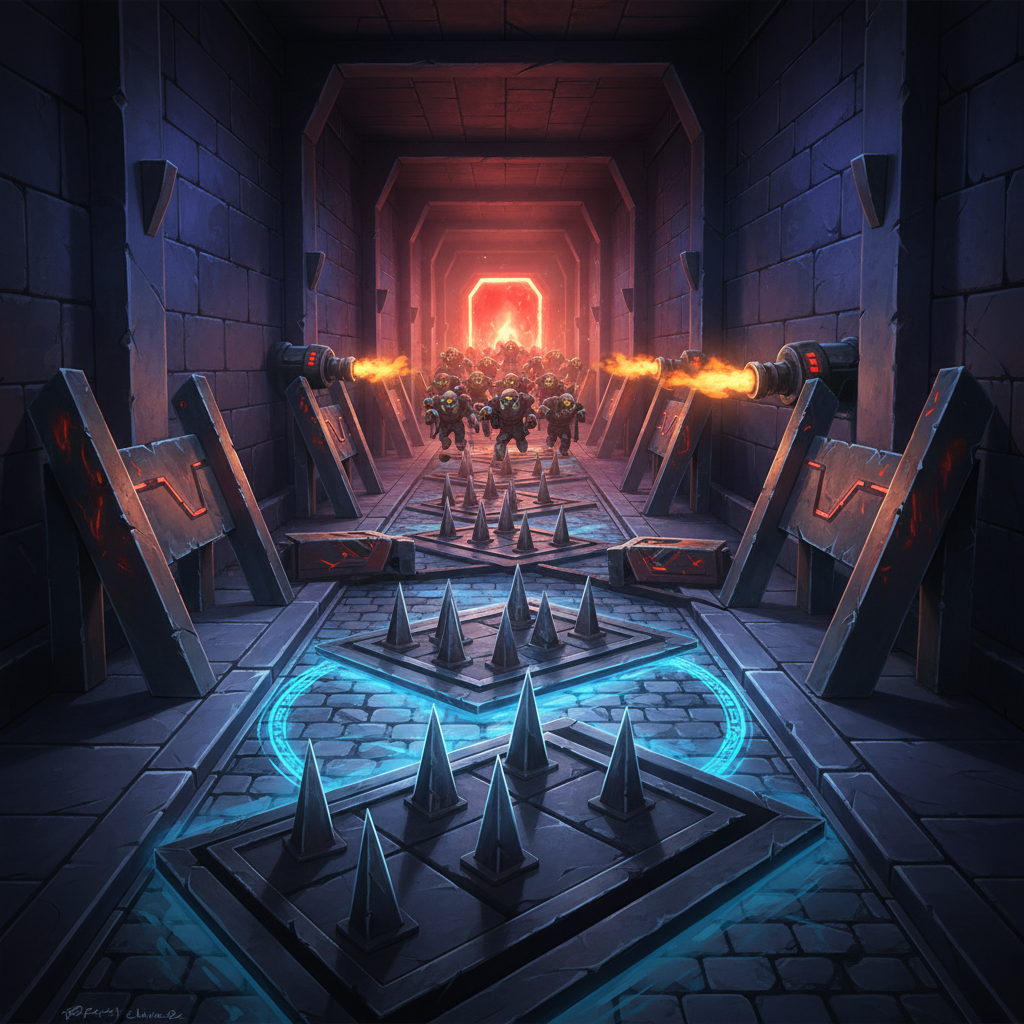
This guide keeps it practical: what “trap building” really means in different subgenres, which games scratch which itch, how to self-pick quickly, and a few habits that make your defenses hold without turning every run into a spreadsheet.
What “trap building & enemy defense” actually covers
People search for trap-building defense games for different reasons, so it helps to name the flavors. In many cases, these games mix three loops: build a path, place damage/CC tools, adapt to enemy types.
- Corridor trap defense: you create “kill lanes” with pushers, slow fields, crushers, and elemental combos.
- Tower defense with traps: towers exist, but traps or deployables do the spicy work, timing and placement matter.
- Base defense with craft/building: you defend a perimeter using crafted traps, walls, and automation.
- Hybrid action defense: you fight too, but your trap network wins the long game.
According to the Entertainment Software Rating Board (ESRB), ratings and content descriptors help players understand themes like violence or online interactions before buying, which matters here because several trap-defense favorites lean into chaotic combat or co-op.
Quick fit-check: which type of defender are you?
If you only do one thing before buying, do this. It prevents the common mismatch where someone expects slow puzzle-like defense and gets frantic shooter defense instead.
- You want planning and tinkering → prioritize corridor traps, upgrade trees, and replayable wave modifiers.
- You want co-op chaos → look for 2–4 player defense where coordination beats perfect aim.
- You want long progression → choose games with persistent unlocks, meta upgrades, or base-building.
- You hate fiddly build phases → favor hybrids where traps are fast to place and you can reposition mid-wave.
Also decide your tolerance for failure. Rogue-lite defense can feel amazing, but it expects you to lose runs while learning enemies and trap synergies.
Best games with trap building and defense (top picks)
Below are well-known options that reliably deliver trap placement, lane control, and “read the wave” gameplay. Availability and platform details change over time, so treat storefront checks as part of the process.
Orcs Must Die! series
If your ideal loop is “build corridor, watch physics do crimes,” this series is usually the first stop. The trap kit is the star: pushers, grinders, floor spikes, elemental interactions, and a lot of room for goofy creativity.
- Why it fits: clear trap identity, satisfying combos, strong lane control.
- Watch for: action-shooter feel; your hero matters, not just your setup.
Dungeon Defenders (especially if you like co-op)
This leans closer to tower defense, but the “build phase then fight phase” rhythm plus hero abilities scratches the same itch. You’re defending crystals/objectives while mixing defenses, auras, and crowd control.
- Why it fits: co-op synergy, lots of build variety, satisfying wave defense.
- Watch for: gear/progression can become the focus depending on entry/version.
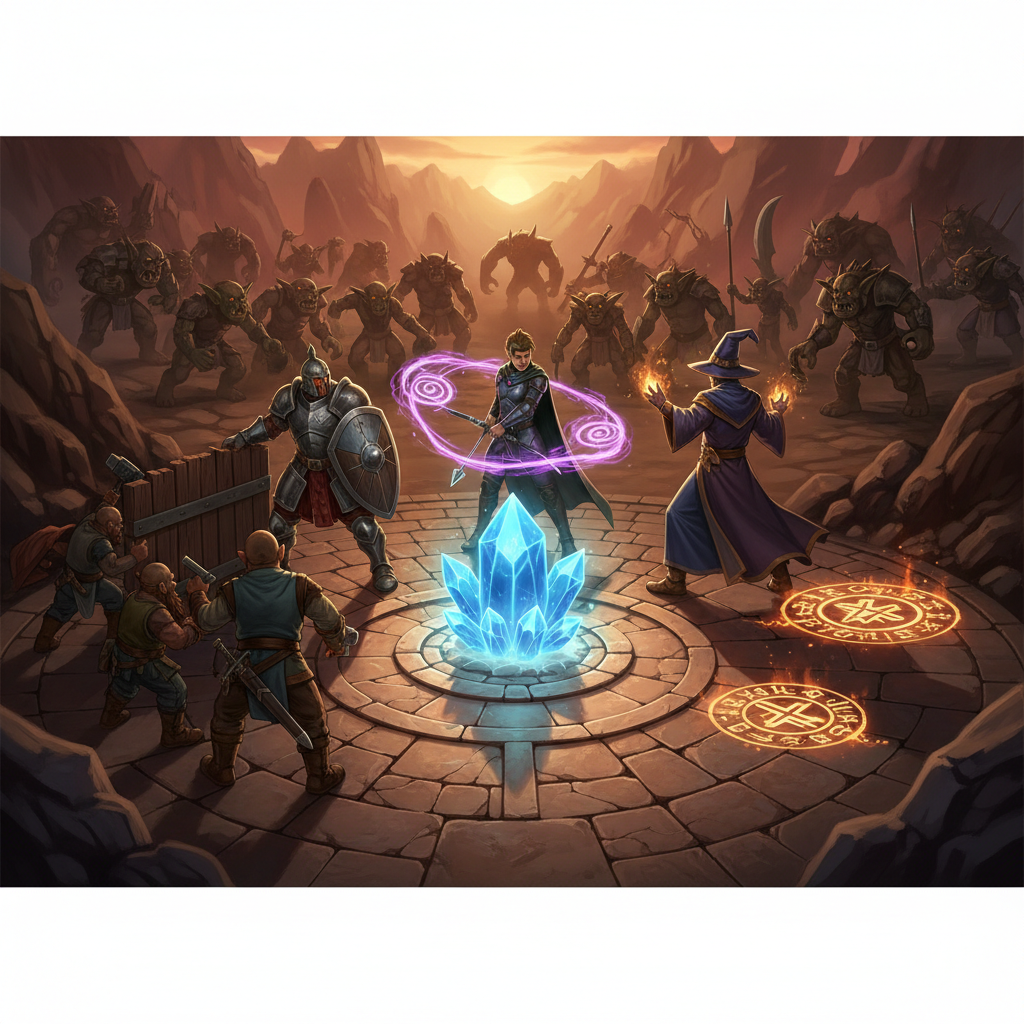
Sanctum 2 (for FPS + defense lanes)
Sanctum 2 is a classic “build maze, then shoot” hybrid. It’s less about intricate trap gadgets and more about lane shaping and tower synergy, but it still rewards thoughtful pathing and choke points.
- Why it fits: strong lane-building, clear enemy pressure, satisfying hybrid pacing.
- Watch for: if you want elaborate traps, this is lighter on that fantasy.
The Riftbreaker (base defense + crafting)
This one scratches the “I built this fortress and it actually works” feeling. You gather resources, expand, automate, then survive waves and surprise attacks, defenses are tied to your whole economy.
- Why it fits: meaningful base layout, tech progression, big wave moments.
- Watch for: more systems management; if you only want quick runs, it may feel heavy.
They Are Billions (tension-heavy colony defense)
Not trap-first, but it’s one of the clearest examples of enemy defense where layout is everything. Walls, choke points, and layered fallback lines carry runs, mistakes snowball fast.
- Why it fits: high-stakes defense planning, strong map control, satisfying fortification.
- Watch for: punishing difficulty; this is not a “relaxing” defender for most people.
Fortnite: Save the World (trap engineering at scale)
When it clicks, it’s basically trap architecture: funnels, durability management, and elemental matching. You’ll spend real time designing kill tunnels and then stress-testing them against wave variations.
- Why it fits: deep trap catalog, creative path shaping, co-op building.
- Watch for: progression/live-service structure may or may not match what you want.
Comparison table: pick faster
Use this as a shortcut when you want the “right vibe,” not just a title list.
| Game | Trap Depth | Action Focus | Best For | Co-op |
|---|---|---|---|---|
| Orcs Must Die! | High | Medium-High | Combos, kill corridors, replayable maps | Often yes (varies by entry) |
| Dungeon Defenders | Medium | Medium | Build phase strategy + hero combat | Yes |
| Sanctum 2 | Medium-Low | High | FPS + lane shaping | Yes |
| The Riftbreaker | Medium | Medium | Base defense, crafting, automation | Not typically co-op focused |
| They Are Billions | Low (more fortifications) | Low | High-pressure perimeter defense | No |
| Fortnite: Save the World | High | Medium | Trap tunnels, co-op missions | Yes |
Practical trap-building principles that win more runs
You can jump between the best games with trap building and defense and still carry the same fundamentals. The details differ, but the logic repeats.
- Design for time, not just damage: slows, stuns, knockbacks, and pathing tricks often outperform raw DPS.
- Build two lines of failure: assume something leaks, add a fallback choke with cheap control tools.
- Spend where enemies “commit”: corners, narrow gates, and forced climbs tend to be better than open fields.
- Respect immunity/armor rules: many games punish one-note builds, keep at least two damage types or solutions.
One more thing people skip: clarity. If you can’t explain what each section of your defense does, you’ll struggle to debug it when a new enemy modifier shows up.
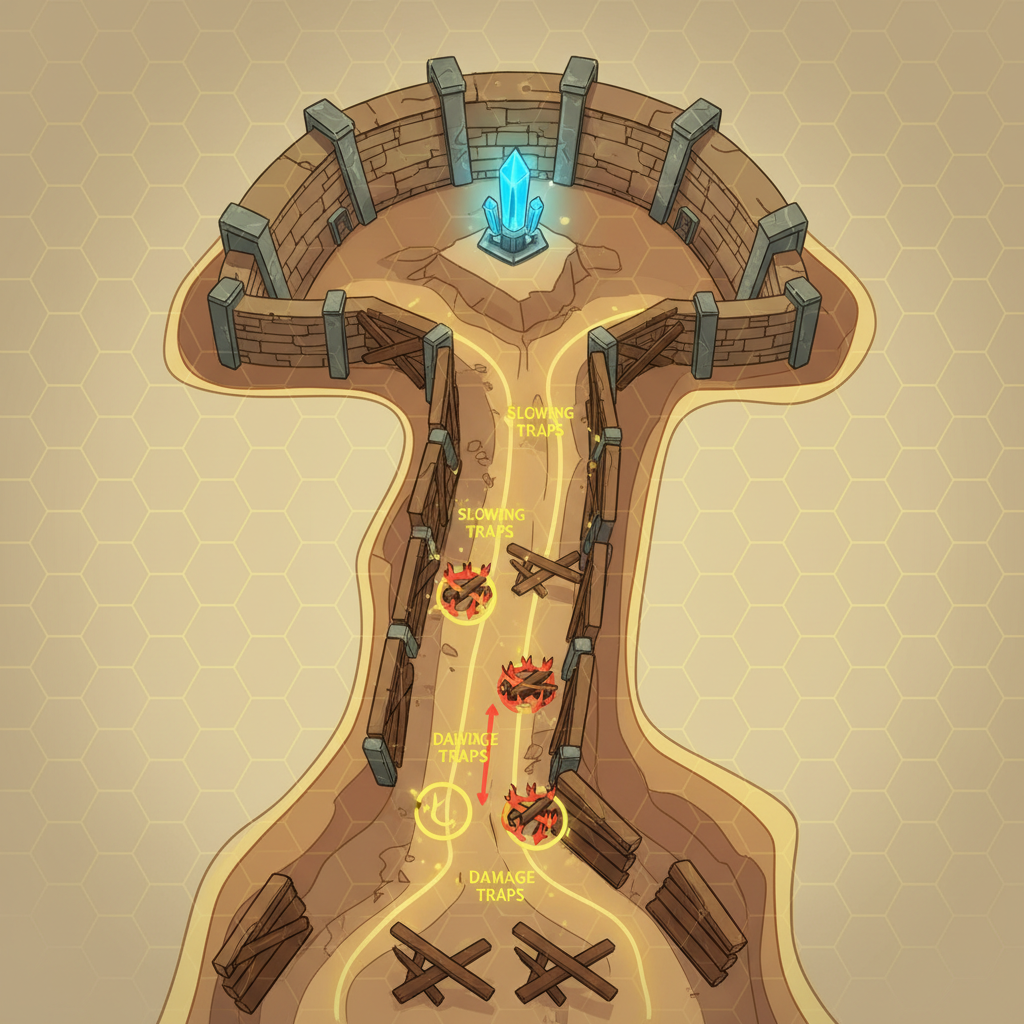
Step-by-step: build a reliable “kill lane” (works in most games)
This is the simplest structure that stays useful even when difficulty ramps.
- Step 1: Force the path with walls, barricades, or tower placement rules, aim for one main route plus a secondary spill route.
- Step 2: Add control first near the start of the lane, slows and knockbacks buy time for everything behind them.
- Step 3: Stack damage in the middle where enemies stay clustered, this is where elemental combos or AoE shines.
- Step 4: Put “cleanup” near the end, cheap single-target, thorns, or burst traps for runners and elites.
- Step 5: Leave yourself a manual answer, a hero skill, turret you can relocate, or consumable for emergencies.
If you’re upgrading, upgrade the pieces that increase time-on-trap or reduce downtime before you chase bigger damage numbers, it tends to stabilize runs.
Common mistakes (and what to do instead)
- Mistake: overbuilding early → keep early waves cheap, scout enemy mix, then commit resources where it matters.
- Mistake: perfect lane, no flexibility → keep a few “floating” traps or towers you can pivot when flyers or shield units appear.
- Mistake: ignoring repair/durability → some games punish neglected maintenance, schedule repair moments between waves.
- Mistake: stacking the same trap → diminishing returns is common, mixing control + damage usually scales better.
According to the Federal Trade Commission (FTC), digital purchases and in-game transactions can vary by platform and include additional costs, so it’s worth checking what you’re actually buying when a defense game has editions, bundles, or currencies.
Conclusion: choose the vibe, then learn the loop
The fastest way to enjoy the best games with trap building and defense is to pick the substyle you actually want, corridor puzzle, co-op builder, base automation, or tense colony survival, then practice one repeatable lane pattern until you can “read” why leaks happen.
Key takeaways:
- Trap depth matters more than genre labels, watch for control tools and path shaping.
- Time control usually beats raw damage when difficulty climbs.
- Fallback lines turn frustrating losses into recoverable mistakes.
If you want a simple next step, shortlist two games from the table, watch five minutes of mid-game wave gameplay, and pick the one whose build phase you’d happily do twice.
FAQ
What are the best games with trap building and defense for co-op?
In most cases, co-op fans gravitate toward Orcs Must Die! entries with multiplayer support, Dungeon Defenders, and Fortnite: Save the World, because coordination actually changes outcomes rather than just adding extra damage.
Are trap-building defense games beginner-friendly?
Many are, but the learning curve often hides in enemy immunities and pathing rules. If you’re new, look for clear build previews, easy respecs, and difficulty options that let you test ideas without hard punishment.
Which games focus more on traps than towers?
Orcs Must Die! and Fortnite: Save the World tend to feel “trap-first,” while Sanctum 2 and many TD hybrids feel more tower-first with some trap-like tools.
Do these games require fast reflexes?
Some do, especially shooter hybrids, but plenty of the strategy comes from setup. If reflex-heavy combat stresses you out, prioritize games where pausing, slow build phases, or strong automation exist.
How do I stop enemies from bypassing my traps?
Usually you need stronger path enforcement and fewer “open” tiles. Add walls or blockers, avoid accidental side routes, and place a cheap slowdown near any junction so leaks become manageable.
Is it better to upgrade traps or build more traps?
It depends on the upgrade math, but many systems reward early breadth then targeted upgrades. If a trap’s upgrade increases control duration or reduces cooldown, that often pays off earlier than pure damage upgrades.
What should I look for before buying a defense game with traps?
Check whether enemies have resistances, whether you can rotate or sell builds, and whether the game supports your preferred pace. Also verify platform, online requirements, and edition differences in the store listing.
Any safety concerns with long defense sessions?
Mostly normal screen-time and posture fatigue concerns. If you notice strain or headaches, taking breaks and adjusting setup can help, and if symptoms persist it may be worth asking a healthcare professional.