
best vr adventure games 2026 is a messy search because “adventure” in VR can mean anything from puzzle-heavy mystery rooms to stamina-testing climbing epics, and the right pick depends as much on your headset and comfort level as it does on story.
If you have ever bought a VR game that looked incredible in trailers but made you dizzy, felt too short, or needed a lot more space than you have, you already know why a tighter shortlist matters. In 2026, there are more high-quality options across Quest, PS VR2, and PC VR, but the differences are in the details, not the hype.
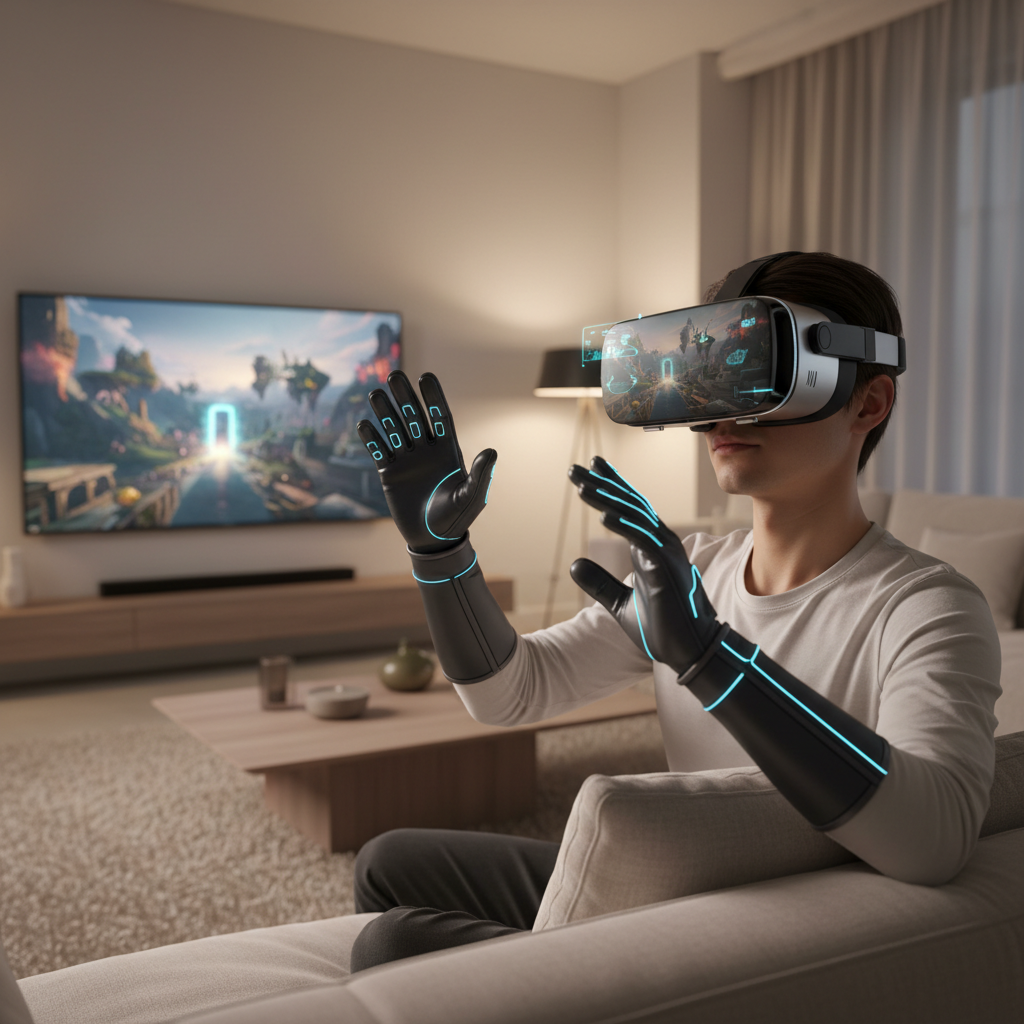
This guide focuses on how to choose well, how to avoid common comfort traps, and which styles of VR adventure tend to satisfy different players. You will also get a quick comparison table and a practical checklist so you can decide in minutes.
What “Adventure” Means in VR (and Why It Changes Your Pick)
In flat-screen gaming, “adventure” is already broad, but VR stretches it further because movement and interaction become the game. A title can feel like an adventure simply because you physically search drawers, climb ledges, or aim a flashlight down a hallway.
Most players end up happiest when they match the sub-genre to their tolerance and time budget, not when they chase the biggest name.
- Story-first adventures: slower pacing, character moments, more comfort-friendly locomotion options.
- Puzzle adventures: environmental riddles, object manipulation, less combat, often great for newcomers.
- Action adventures: more movement and intensity, higher chance of motion discomfort if settings are wrong.
- Survival/horror adventures: atmosphere over power fantasy, can be incredible, can also be physically stressful.
Quick Comparison Table: How to Narrow the Best VR Adventure Games
Instead of pretending there is one universal “best,” use the filters below to narrow the best vr adventure games 2026 for your specific setup. Comfort and play space usually matter more than raw graphics.
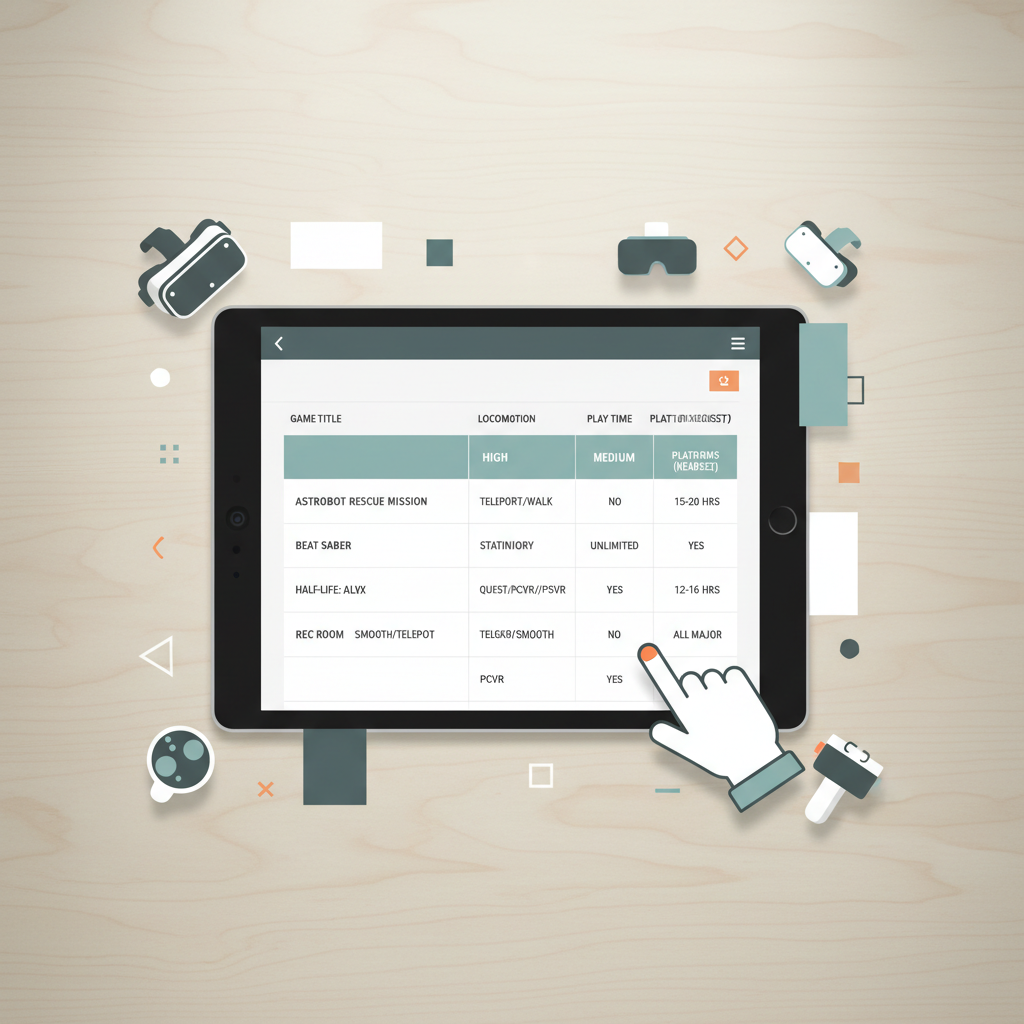
| What you care about | Look for | Often a bad fit when |
|---|---|---|
| Comfort | Teleport or snap-turn, vignette options, seated mode | Only smooth locomotion with fast camera turns |
| Strong story | Chapter structure, voice acting, meaningful interactions | Loop is mostly combat arenas |
| Puzzles you can touch | Physics-based objects, notes, locks, mechanisms | Puzzles are mostly “find the key” fetch tasks |
| Playtime value | Replay modes, branching choices, optional areas | Experience is a one-sitting narrative |
| Co-op adventure | Drop-in sessions, clear roles, stable voice chat | “Co-op” is only a small side mode |
| Small room | Seated/standing support, minimal reaching behind you | Requires frequent full turns, wide arm swings |
A Shortlist of Adventure Styles That Tend to Deliver in 2026
I am not going to claim a definitive top 10 with fake certainty, because store catalogs shift, exclusives rotate, and comfort updates can change a game’s feel. What consistently works, though, are these “buckets” that many of the best vr adventure games 2026 fall into.
1) Narrative exploration (good for most players)
If you want that “I’m inside a film” sensation, prioritize titles with slower traversal, interactive props, and clear chapter pacing. These are also the games you can recommend to friends without worrying they will quit from nausea on day one.
- Best for: story lovers, casual sessions, showing VR to guests
- Check for: comfort presets, seated mode, subtitles, save-anywhere
2) Puzzle-room adventures (the safest buy when you are unsure)
Puzzle adventures often feel “premium” in VR because hands-on interaction is the whole point. When done well, you get satisfying tactile problem-solving instead of busywork.
- Best for: newcomers, families, players sensitive to motion
- Check for: hint system quality, object handling, readability of clues
3) Action-adventure with comfort settings (amazing, but settings matter)
These can be the most memorable VR experiences, but they punish rushed setup. Smooth movement, climbing, sprinting, and intense turning are where motion discomfort tends to show up.
- Best for: experienced VR players, fitness-friendly gameplay, high intensity
- Check for: snap-turn degrees, vignette strength, movement speed sliders
4) Co-op adventures (best when your group commits)
Co-op VR adventures are fantastic when everyone wants the same vibe. They also fall apart when one person wants puzzles and another wants constant action, so aligning expectations is half the “review.”
- Best for: pairs or groups with consistent schedules
- Check for: session length, drop-in/out support, role clarity
How to Self-Test Before You Buy (Comfort, Space, and Hardware Fit)
People rarely regret buying a game because it was “only” 8 hours long. They regret buying it because they cannot comfortably play it. Use this quick self-check before you commit to any of the best vr adventure games 2026 candidates.
- Movement tolerance: If smooth locomotion makes you feel off, start with teleport-focused adventures and ease up over time.
- Turning preference: If snap-turn feels weird, use smaller snap angles and avoid fast smooth turning early on.
- Play space reality: If you are in a tight apartment, favor seated/standing titles, and avoid games that demand frequent 180° physical turns.
- Controller comfort: Some games assume lots of grip-holding; if your hands fatigue, look for toggle-grip options.
- Visual comfort: If you are sensitive to blur, prioritize games with good contrast, strong UI scaling, and clear text.
According to the American Academy of Ophthalmology, comfort and visual strain vary by person, and taking regular breaks is a sensible baseline when using head-mounted displays.
Practical Setup Tips That Make Adventure Games Feel Better Fast
A lot of “this game made me sick” stories are really “my settings were wrong for my body.” Spend five minutes here and you often turn a frustrating purchase into a great one.
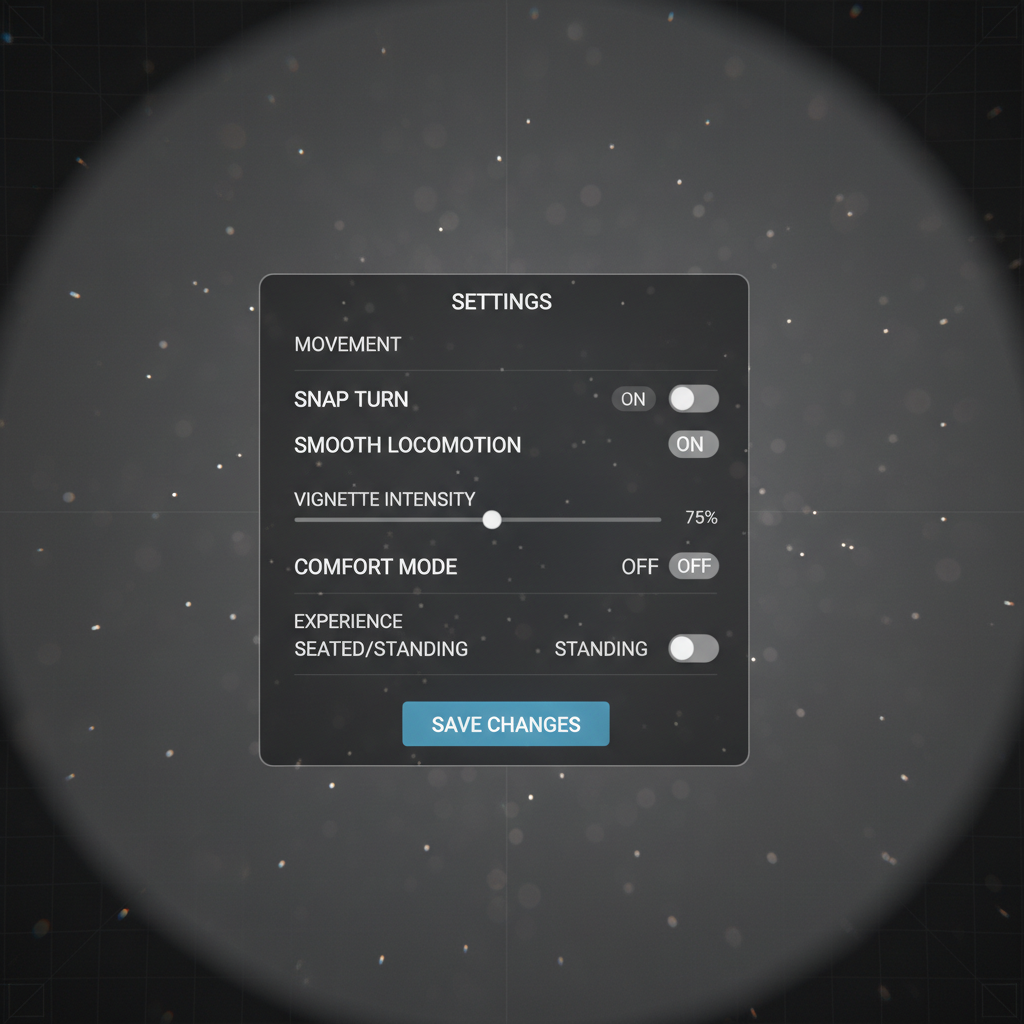
- Start with comfort mode on: Even if you plan to disable it later, it helps you learn the game without fighting your stomach.
- Adjust snap-turn: Many people land around 30–45 degrees, but it is personal, tweak until it stops feeling “jumpy.”
- Lower movement speed: In action adventures, slower speed often feels more “real” and less like sliding.
- Set your IPD correctly: If your headset supports IPD adjustment, get it close; eye strain often comes from mismatch.
- Recenter often: Adventure games with lots of rummaging can drift your stance, a quick recenter saves your shoulders.
For physical safety, clear the play area and use the boundary system. According to Meta, maintaining a defined Guardian or boundary area helps reduce collision risk during room-scale play.
Common Mistakes When Picking VR Adventure Games (and What to Do Instead)
Buying “top rated” is not the same as buying “right for you.” This is where many best vr adventure games 2026 lists quietly fail, they assume everyone plays the same way.
- Mistake: Picking the most intense action title as your first VR adventure.
Do instead: Start with puzzle or narrative exploration, then step up intensity once your VR legs improve. - Mistake: Ignoring locomotion options in the store listing.
Do instead: Look for teleport, snap-turn, comfort vignette, and seated mode as baseline features. - Mistake: Overvaluing graphics over interaction.
Do instead: In VR, “feel” beats “fidelity” more often than people expect, prioritize satisfying hand interactions. - Mistake: Assuming co-op means shared campaign depth.
Do instead: Read how co-op actually works: roles, progression, and whether it is built for repeat sessions.
When to Seek Extra Help (Comfort, Accessibility, and Younger Players)
If VR consistently causes headaches, nausea, or unusual eye strain even after comfort settings and shorter sessions, it is worth pausing and considering professional advice. People react differently, and pushing through tends to backfire.
For players with known vestibular issues, migraines, or vision conditions, a clinician may offer guidance tailored to your situation. And if you are setting up VR for kids or teens, follow your headset maker’s age and safety guidance, then keep sessions short and supervised.
Key Takeaways and a Simple Next Step
If you want the best vr adventure games 2026 experience, your best move is to match the game’s adventure style to your comfort level and your real play space, then dial in settings before judging the game. That is where “good on paper” becomes genuinely fun.
Action step: Pick one narrative or puzzle adventure you can play comfortably this week, then keep one more intense action-adventure on a wishlist for later, after you learn what movement settings your body likes.
FAQ
What makes a VR game an “adventure” instead of an action game?
In VR, adventure usually means exploration and interaction drive progress, not just combat. Many games blend both, so look at pacing, puzzle density, and how much time you spend investigating environments.
How do I choose between Quest, PS VR2, and PC VR for adventure games?
It depends on what you already own and what you value. Quest often wins on convenience, PS VR2 can feel very polished for supported titles, and PC VR tends to offer the widest catalog if you have the hardware and enjoy tweaking.
Are the best vr adventure games 2026 safe for motion sickness?
Many are playable with the right comfort options, but no list can guarantee comfort for everyone. Prioritize teleport, snap-turn, and vignette support, then increase intensity gradually over multiple sessions.
What comfort settings should I try first in an intense VR adventure?
Turn on comfort vignette, use snap-turn, and reduce movement speed if available. If the game offers a “comfort” preset, start there, then loosen settings once you feel stable.
How much room do I need for VR adventure games?
Many adventures work in seated or standing mode, which fits small spaces. Room-scale titles that expect frequent turning and reaching feel better with more space, so check the play mode notes before buying.
Are co-op VR adventure games worth it if my friends play casually?
They can be, but the best experiences usually come from a group that plays regularly. If your group schedules are chaotic, look for drop-in sessions and shorter mission structures rather than long campaign progression.
How can I tell if an adventure game is “too short” for the price?
Look for replay hooks such as branching paths, collectibles that change outcomes, challenge modes, or co-op. If it is purely narrative, treat it like a movie ticket, the value is the quality of the experience, not the hour count.
If You Want an Easier Way to Pick Your Next Adventure
If you are trying to narrow the best vr adventure games 2026 without spending nights watching mixed reviews, make a quick shortlist based on your comfort needs and play space, then compare only games that match those filters. It is a small step, but it prevents most regret buys.