
Top games with underwater city exploration usually scratch a very specific itch: you want that “what happened down here?” feeling, plus the thrill of navigating a submerged place that still looks like a real city, not just a cave with fish.
The problem is, a lot of games advertise “underwater” but deliver short diving segments or generic ocean biomes. If you’re chasing actual urban ruins, domes, flooded streets, and environmental storytelling, your shortlist gets narrower fast.
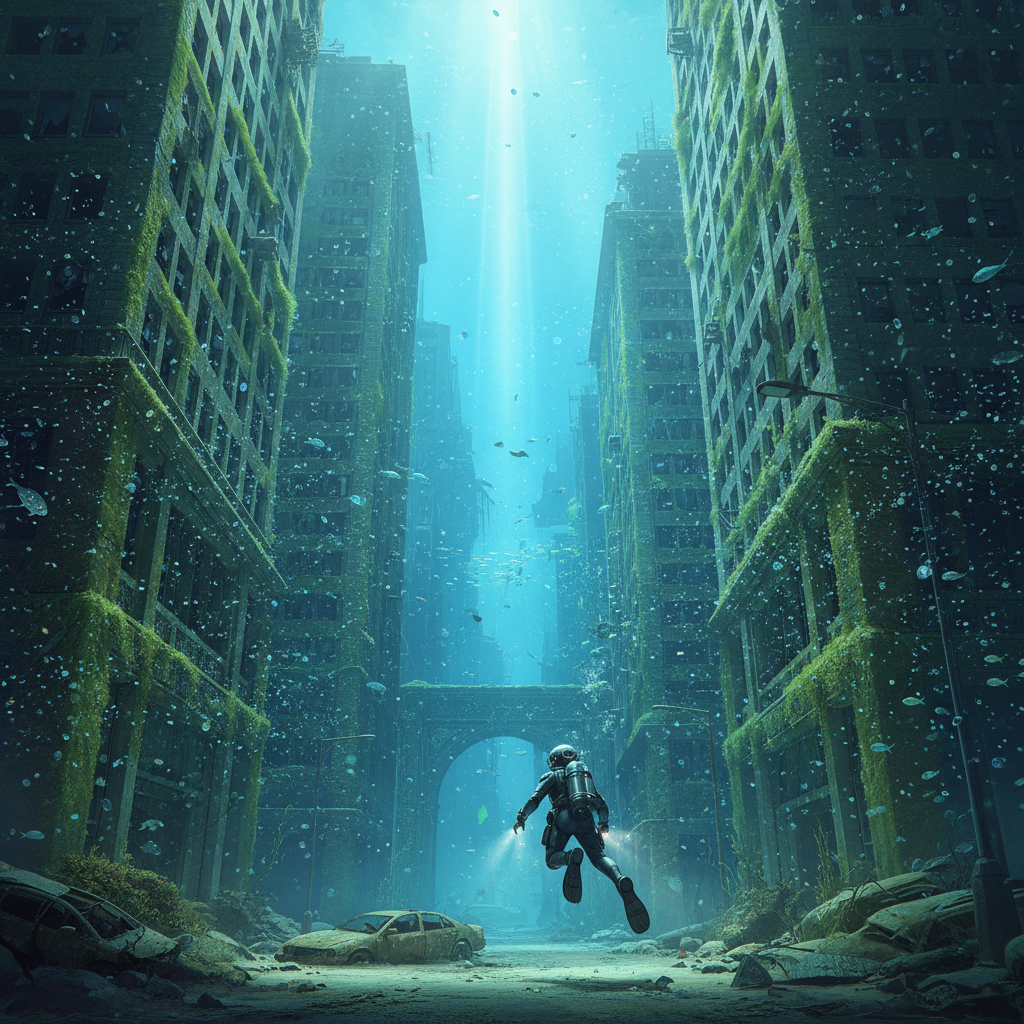
Below, you’ll find a curated set of titles where underwater city exploration is a real pillar, not a side quest. I’ll also call out what each game does well, where it can feel dated, and what to pick if you care more about combat, story, or pure atmosphere.
What counts as “underwater city exploration” (and what doesn’t)
For this list, “underwater city exploration” means you spend meaningful time navigating a built environment underwater: districts, corridors, plazas, transit areas, apartments, labs, or domed settlements. You should be reading the city through layout, signage, and leftovers, not just swimming through reefs.
- City-scale spaces: multiple connected areas that feel planned by people, not generated by nature.
- Exploration-driven pacing: scavenging, backtracking, unlocking routes, or learning the city’s history.
- Underwater traversal as a core mechanic: pressure, oxygen, vehicles, swimming physics, or stealth in water.
- Environmental storytelling: audio logs, posters, architecture, lighting, and set pieces that explain “why it fell.”
What doesn’t qualify in practice: a few flooded rooms, a single underwater level, or an ocean map where “ruins” are just a couple columns placed in sand.
Quick comparison table: best picks by vibe, style, and platform
If you want the fastest way to choose, use this table as a filter. Then jump to the sections that match your mood.
| Game | Underwater city feel | Core loop | Intensity | Platforms (commonly available) |
|---|---|---|---|---|
| BioShock | Art Deco underwater metropolis (Rapture) | Story FPS + exploration | Medium | PC, PlayStation, Xbox, Switch |
| BioShock 2 | More of Rapture, more “district” travel | FPS + resource planning | Medium | PC, PlayStation, Xbox |
| SOMA | Undersea facilities that feel lived-in | Narrative horror + stealth | High (tension) | PC, PlayStation, Xbox |
| Subnautica | Alien ocean with scattered structures | Survival + base building | Variable | PC, PlayStation, Xbox, Switch |
| Subnautica: Below Zero | More facilities, tighter map | Survival + story beats | Variable | PC, PlayStation, Xbox, Switch |
| ABZÛ | Stylized ruins, more “mythic city” | Relaxing exploration | Low | PC, PlayStation, Xbox, Switch |
The essentials: top games that really deliver underwater cities
BioShock (and the BioShock Collection)
If your mental image is “a whole city under the sea,” BioShock is still the clearest match. Rapture isn’t just a backdrop, it’s a character, and exploration keeps paying off because every wing, clinic, and theatre has a purpose.
- Why it works: distinct districts, strong visual identity, tons of environmental storytelling.
- What to know: the gunplay can feel older depending on what you play now, but the city design holds up.
- Who it fits: players who want story, mood, and a classic “ruined utopia” arc.
BioShock 2
BioShock 2 doubles down on moving through Rapture like a working place, with more emphasis on traversing spaces that used to serve day-to-day life. If you liked the first game’s setting but wanted a bit more “let me roam,” this is often the better exploration feel.
- Why it works: more time inside the city’s connective tissue, and moment-to-moment play feels smoother.
- What to know: story impact is subjective; many people play it mainly for “more Rapture.”
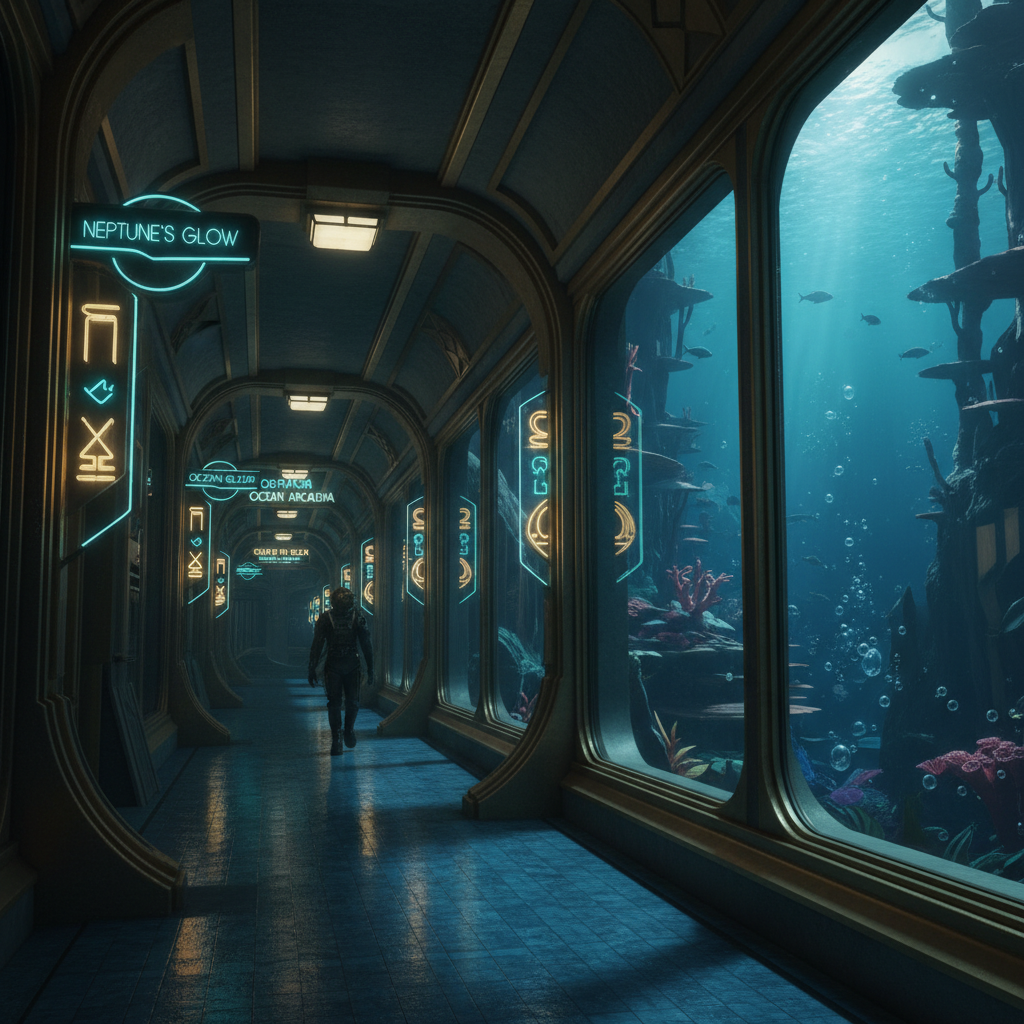
SOMA
SOMA is a different kind of underwater city exploration: less “tour a metropolis,” more “move through underwater infrastructure that people actually depended on.” The spaces feel functional and claustrophobic in a way that makes the ocean pressure feel real, even when the game isn’t simulating it mechanically.
- Why it works: atmosphere, worldbuilding, and the slow dread of being far from the surface.
- What to know: it can be intense. If you’re sensitive to horror themes, you may want to pace sessions or look for in-game options that reduce threat pressure (availability can vary by version).
- Who it fits: players who want philosophical sci-fi and tension more than combat.
According to ESRB, rating summaries can help you gauge whether a game’s themes and intensity fit your comfort level before you buy.
Great alternatives if you want exploration more than combat
Subnautica
Subnautica isn’t “one big underwater city,” but it earns a place in any conversation about top games with underwater city exploration because the act of pushing deeper, finding human-built modules, and piecing together what happened feels very city-like in practice.
- Why it works: exploration loop is strong, vehicles change how you read the map, and discovery stays rewarding.
- What to know: survival systems drive the pace; if you dislike crafting, you might bounce.
Subnautica: Below Zero
Below Zero often feels a bit more structured, with more emphasis on facilities and story breadcrumbs. If you want “underwater base networks” and less pure wilderness vibe, this can be the more comfortable entry.
- Why it works: tighter geography, more guided narrative, more constructed locations.
- What to know: some players miss the original’s sense of vastness, so it depends what you value.
ABZÛ
ABZÛ is the “night off” pick. The ruins have an ancient, symbolic quality rather than a believable modern city plan, but the act of drifting through submerged structures still hits the exploration fantasy.
- Why it works: calm pacing, strong art direction, easy to recommend to non-hardcore players.
- What to know: you’re here for ambiance, not deep mechanics.
How to choose: a quick self-check (so you don’t buy the wrong vibe)
Before you commit, answer these honestly. Most “disappointment buys” happen because people want the city fantasy but accidentally pick a survival grind, or they want calm exploration but pick horror tension.
- Do you want a “real” city with districts? Pick BioShock / BioShock 2.
- Do you want underwater facilities and existential sci-fi? Pick SOMA.
- Do you want freeform discovery with crafting? Pick Subnautica.
- Do you want relaxing, low-stress exploration? Pick ABZÛ.
- Do you get motion sickness easily? Consider slower camera settings, shorter sessions, or games with gentler movement; comfort varies by person.
According to Xbox Support, adjusting accessibility and display settings like camera sensitivity and motion blur can improve comfort for some players, depending on the game.
Practical tips to get more out of underwater city exploration
Once you pick a title, a few small habits can make the “city” feel bigger and more coherent, especially in games where you can accidentally rush past the best details.
- Slow down in hubs: look for signage, repeated motifs, and blocked routes, designers often teach the city layout visually.
- Use sound as navigation: alarms, creaks, distant creatures, and PA systems often hint at danger or story beats.
- Scan and read: logs and descriptions are where underwater settlements start feeling like a place people lived.
- Set a session goal: “new district,” “one upgrade,” or “two audio logs,” helps avoid fatigue in exploration-heavy games.
- Safety and comfort: if a game triggers stress or nausea, taking breaks may help; persistent symptoms deserve a check-in with a healthcare professional.
Key takeaways (the short list you can act on)
- For a true underwater metropolis, BioShock remains the most direct hit, and BioShock 2 often feels more traversal-friendly.
- For underwater infrastructure with heavy story, SOMA stands out, but it can be intense.
- For open-ended ocean discovery, Subnautica delivers the strongest exploration loop, even if it’s not strictly “one city.”
- For a calm, scenic night, ABZÛ gives you ruins and wonder without pressure.
Conclusion: pick the underwater city you actually want to inhabit
If you came in searching for top games with underwater city exploration, you’re probably not just chasing “underwater,” you’re chasing place, history, and that eerie silence of a built world that shouldn’t be down there. BioShock is still the cleanest recommendation for a city-first experience, while Subnautica and SOMA cover the two most common alternatives: survival curiosity and narrative dread.
Your next step is simple: choose the vibe, check the platform you’ll play on, and commit to one game for a few sessions before switching. Underwater cities work best when you let them sink in.