
best vr paranormal games 2026 is a search that usually means one thing: you want the creepy atmosphere and “something is behind me” tension, but you don’t want to waste money on a janky port or a jump-scare factory.
VR horror is oddly personal, what feels immersive to one player feels like motion-sickness to another, and what feels “paranormal” to you might feel like sci‑fi monsters to someone else. So a useful guide needs more than a list, it needs filters.
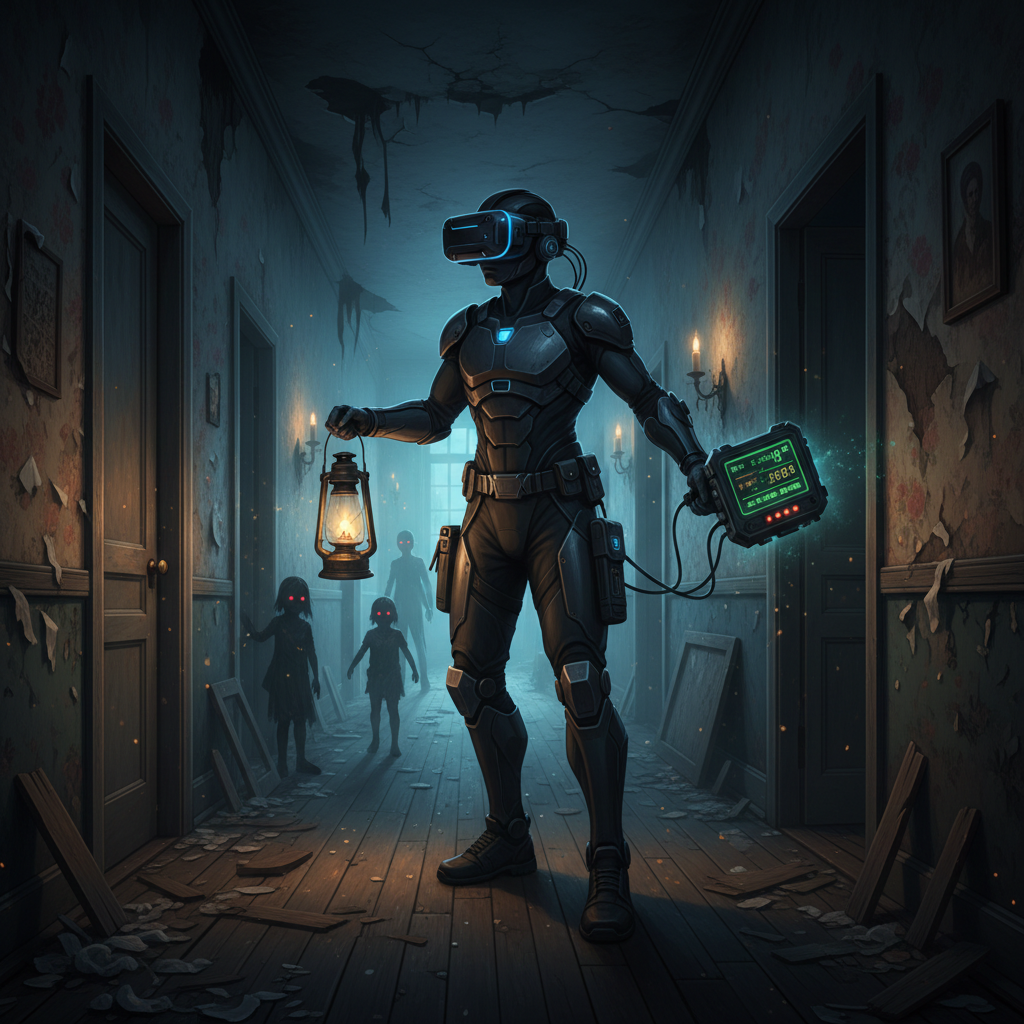
Below you’ll get a curated set of paranormal-leaning VR picks, a quick way to self-sort by “scare style,” plus comfort and setup advice that matters more than most reviews admit.
What counts as “paranormal” in VR (and why it matters)
In practice, paranormal VR games sit in a few lanes, and your enjoyment depends on choosing the right lane, not just the highest-rated title.
- Investigation horror: slow tension, tools, audio cues, reading the space, often co-op friendly.
- Haunted-location narrative: story-first, scripted moments, heavier pacing and set pieces.
- Ritual/possession themes: darker imagery, louder stingers, sometimes more intense comfort impact.
- “Paranormal-adjacent”: ghosts plus puzzles, escape-room structure, lighter combat or none.
If you’re sensitive to jump scares, the investigation lane tends to feel “creepy” instead of “cheap.” If you want a punchy evening, narrative haunted-house games often deliver faster.
Best VR paranormal games 2026: a practical shortlist
I’m not going to pretend there’s one definitive ranking for everyone, the better move is grouping by vibe and friction. Here’s a shortlist many players use as a starting point when hunting for the best vr paranormal games 2026 style experience.
Investigation-forward (tools, teamwork, tension)
- Phasmophobia (VR support): Co-op ghost hunting with evidence gathering, communication, and a strong “something moved” atmosphere. Great with friends, but can feel punishing solo.
- Paranormal Activity: The Lost Soul: A classic “small space, big dread” format, strong pacing, very effective environmental scares.
Narrative haunted spaces (story, set pieces)
- The Exorcist: Legion VR: Episodic structure, possession themes, heavier moments. Good if you like story beats and distinct chapters.
- Blair Witch VR: A familiar IP with forest dread and psychological pressure, your tolerance for disorientation matters here.
Puzzle-leaning paranormal (escape-room energy)
- Affected: The Manor: Short, accessible haunted-house run that’s easy to demo, it’s more ride than investigation.
- Five Nights at Freddy’s: Help Wanted (VR): Not pure paranormal, but it scratches the “supernatural dread in VR” itch with mini-game variety.
Key takeaways before you buy
- Co-op changes everything: investigation games can feel repetitive alone, and brilliant with a group.
- Comfort settings aren’t optional: smooth locomotion plus fear is a nausea multiplier.
- Length matters: some “top” VR horror experiences are short by design, that’s fine if you know it upfront.
Comparison table: pick by scare style, comfort, and who you play with
This is the part most “top lists” skip. Use it to choose fast, especially if you’re trying to avoid buyer’s remorse.
| Game | Scare style | Play mode | Comfort risk | Best for |
|---|---|---|---|---|
| Phasmophobia (VR) | Investigation tension | Co-op / Solo | Medium | Friends who like teamwork |
| Paranormal Activity: The Lost Soul | Haunted home dread | Solo | Low-Med | Classic haunt pacing |
| The Exorcist: Legion VR | Possession narrative | Solo | Low | Story-first horror |
| Blair Witch VR | Psychological/forest dread | Solo | Medium-High | Fans of tense wandering |
| Affected: The Manor | Haunted attraction | Solo | Low | Quick scares, demos |
| FNAF: Help Wanted (VR) | Jump-scare pressure | Solo | Low-Med | Arcade-like horror variety |
How to tell which paranormal VR game you’ll actually enjoy
If you’re shopping the best vr paranormal games 2026 lists and everything blurs together, run this quick self-check. It sounds basic, but it prevents most bad picks.
- You want mystery, not screaming: prioritize investigation tools, evidence systems, slower pacing.
- You want a tight story night: choose chapter-based or narrative haunted-location games.
- You hate being chased: avoid heavy pursuit loops and jump-scare-centric designs.
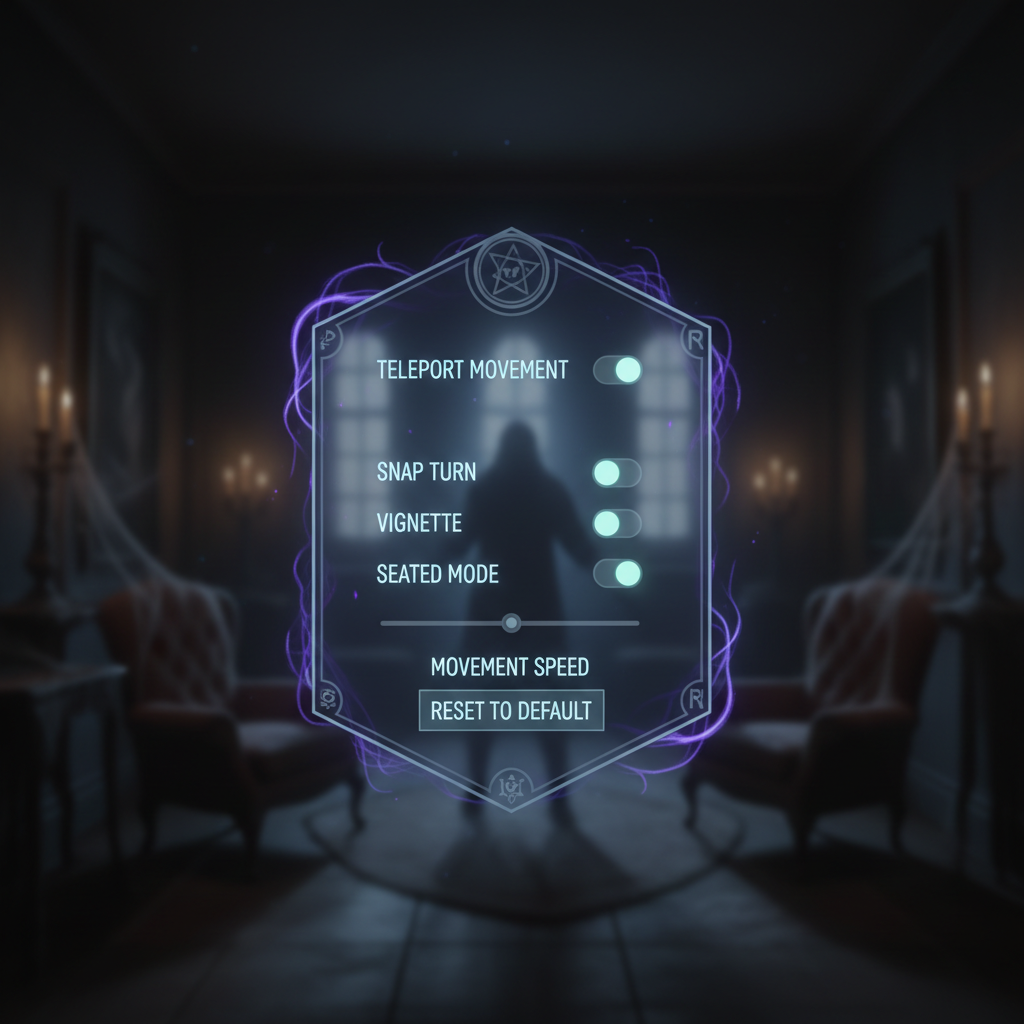
- You get motion sick easily: look for teleport options, snap turning, seated mode.
- You play to hang out: co-op matters more than “scariest game ever” marketing.
Also be honest about your headset habits. If you play in 30–45 minute sessions, shorter experiences can be a better fit, even if they look “small” on paper.
Comfort and safety: the unglamorous part that decides whether you quit
Paranormal VR hits hard because your body buys the space. That’s also why comfort issues show up faster than in flat-screen horror.
According to American Academy of Ophthalmology, VR can cause symptoms like eye strain or dizziness for some users, and taking breaks is commonly recommended.
- Start with snap turn + teleport, then move toward smooth locomotion only if you feel fine.
- Keep a fan on: airflow helps orientation, it’s a simple trick many VR regulars rely on.
- Set a boundary you respect: paranormal games tempt you to lean into corners and furniture finds you first.
- Stop at the first nausea hint: pushing through often makes the next session worse.
If you have a history of migraines, vertigo, or other medical concerns, it’s reasonable to play conservatively and consider asking a clinician what’s appropriate for you.
Setup tips that make paranormal VR feel “real” (without extra spending)
People chase graphics settings, but atmosphere comes more from audio, tracking stability, and your room setup.
- Use headphones: positional audio is half the scare, TV speakers flatten it.
- Dim the room, not pitch black: you want immersion, but you also want to avoid tripping.
- Re-center often: drifting makes investigation games annoying fast.
- Adjust height and reach: many “can’t grab item” moments come from bad floor calibration.
If you’re demoing for friends, pick a title with short loops and clear comfort settings. The “best” experience is the one people actually finish.
Buying advice: what to check on the store page before you commit
Store descriptions can be vague, so check the details that tend to predict satisfaction for the best vr paranormal games 2026 crowd.
- Locomotion options: teleport, smooth move, snap turn, vignette, seated mode.
- Playtime expectations: look for clarity on campaign length or replay loops.
- VR interaction style: full hand interaction vs. “press button to interact” changes immersion.
- Update cadence: for co-op and live games, recent patches matter a lot.
- Content warnings: possession themes, gore, intense audio, flashing effects, it’s fine to avoid what you don’t enjoy.
If you’re torn between two options, choose the one matching your play mode. A co-op favorite bought for solo play is the most common regret I see.
Conclusion: a simple way to pick your next haunt
If you want the best vr paranormal games 2026 experience for your taste, start by choosing the lane: investigation co-op, narrative haunt, or puzzle-leaning paranormal, then use comfort settings as a hard requirement, not a nice-to-have.
Your next step can be small: shortlist two games that match your scare style, verify locomotion options on the store page, then play one short session with breaks. If it feels good, you’ll actually come back for session two, and that’s the whole point.
FAQ
- What are the best vr paranormal games 2026 for co-op with friends?
Phasmophobia (with VR support) is usually the first stop because it’s built around teamwork and voice comms, just make sure everyone can handle the tension and the movement style. - Which paranormal VR games are better if I hate jump scares?
Look for investigation and slow-burn haunted-location games, and avoid titles marketed around “extreme” scares. Reading reviews for pacing notes helps more than star ratings. - Are paranormal VR games safe if I get motion sick?
They can be, but you’ll want teleport movement, snap turning, and shorter sessions. If symptoms persist, it’s smart to stop and consider professional advice, especially if you have a medical history tied to dizziness. - What headset works best for VR horror immersion?
Immersion comes more from stable tracking and good audio than brand hype. A comfortable fit and clear lenses often matter more than chasing peak resolution. - Do I need a lot of room to play paranormal VR games?
Many can be played standing in place or seated, but you should still keep a clear boundary. Tight spaces increase the chance you’ll hit something during a scare. - Why do some VR horror games feel “not scary” to me?
Often it’s audio, comfort settings, or expectations. If you’re on speakers, or you’re constantly thinking about nausea, the brain stops buying the atmosphere. - How do I avoid buying a VR horror game that’s too short?
Check whether it’s described as an experience, episode, or campaign, and look for comments about replay loops. Short isn’t bad, but it should be priced and framed honestly.
If you’re trying to narrow down the best vr paranormal games 2026 options based on your headset, comfort tolerance, and whether you play solo or co-op, a curated shortlist and a quick “fit check” can save you from the usual trial-and-error purchases.