
best vr fitness games 2026 isn’t just a fun list topic, it’s a practical shopping problem: you want workouts that feel like play, but still hit your cardio, strength, or mobility goals without wrecking your knees or your headset comfort.
In 2026 the catalog is big enough that “top rated” stops being helpful, what matters is fit: your space, motion tolerance, training style, and whether you’ll realistically show up three days a week.
This guide sorts the strongest options by workout type, then gives a quick self-check, setup tips, and safety notes so you can choose with less guesswork and more confidence.
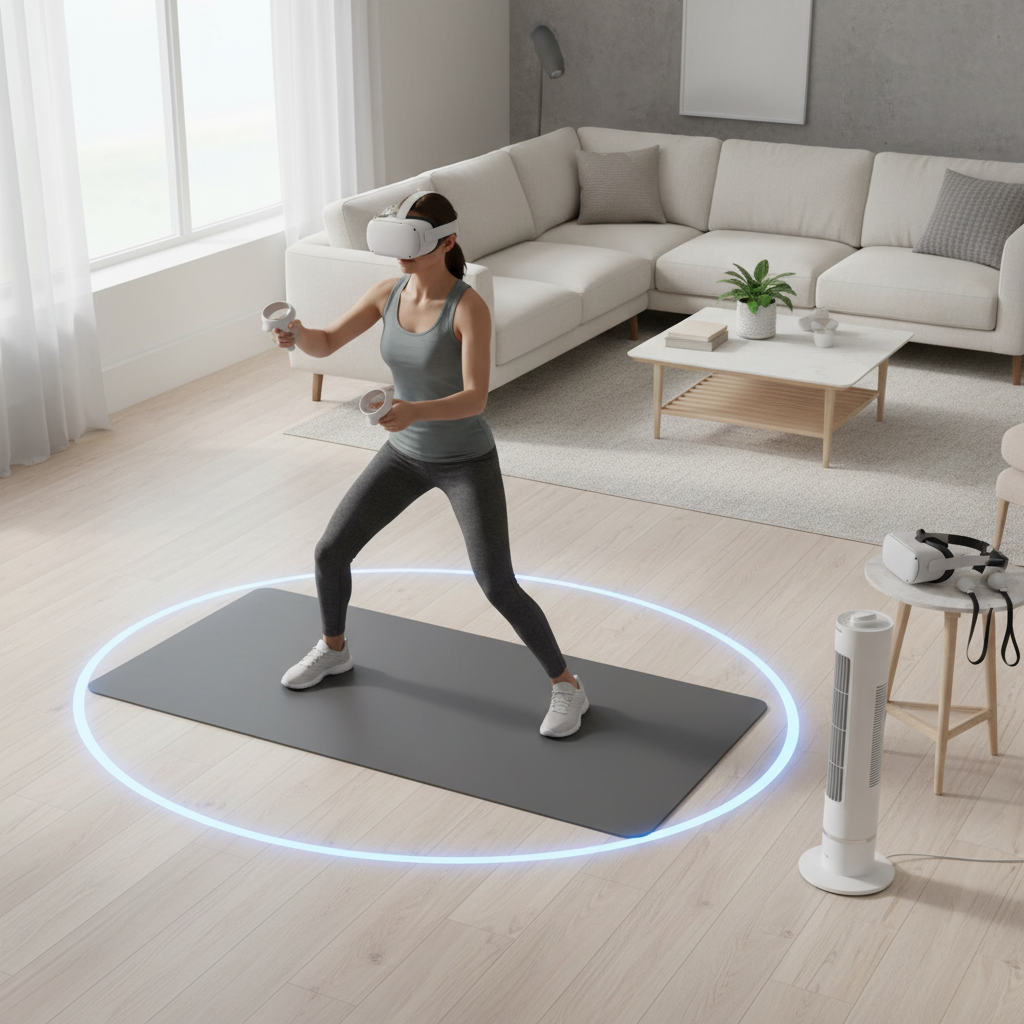
How we picked what belongs on a “best” list in 2026
Most people search best vr fitness games 2026 because they want a reliable recommendation, not an endless store browse. So the criteria here is less about hype and more about whether a game holds up after the first week.
- Workout quality: does it consistently elevate heart rate, train coordination, or build strength and stability.
- Progression: clear difficulty scaling, programs, or scoring that nudges you to improve.
- Comfort and accessibility: comfort options, readability, seated or low-impact modes when available.
- Replay value: variety in sessions, music/maps, or community features that keep it from getting stale.
- Practicality: how much space you need, and how likely you are to bump a wall at minute eight.
One more thing, updates matter in VR, games that stay supported tend to be safer buys than one-and-done releases, even if they’re not brand-new.
Quick comparison table: match the game to your goal
If you only read one section, use this table to narrow your shortlist. Intensity is a real-world estimate for many users, but your experience will vary with difficulty, song choice, and how hard you actually swing.
| Game / App | Best for | Typical intensity | Space needs | Notes |
|---|---|---|---|---|
| Beat Saber | Cardio consistency, rhythm motivation | Medium → High | Small → Medium | Easy to start, scales well with difficulty |
| Supernatural | Coached sessions, structured variety | Medium → High | Medium | Subscription, strong “show up and press play” feel |
| Les Mills BODYCOMBAT | Kickboxing-style conditioning | Medium → High | Small → Medium | Clear training vibe, less “gamey” |
| Pistol Whip | Leg burn, squats, interval-style movement | Medium → High | Small | Great for lower-body work if you commit to movement |
| FitXR | Boxing/dance classes, variety | Low → High | Small → Medium | Often best for households with mixed preferences |
| Thrill of the Fight | High-effort boxing cardio | High | Medium | Not “cute cardio,” you will sweat |
| Until You Fall | Combat fitness, shoulders + core | Medium | Small | Good if you hate “workout apps” but like progression |
| The Climb 2 | Grip/upper body endurance feel, lighter cardio | Low → Medium | Small | More “steady effort” than HIIT |
The best VR fitness games 2026, grouped by workout style
This is where people get tripped up: two games can both be “fitness,” but one feels like dance cardio and the other feels like sparring. Pick the style you’ll repeat.
Rhythm cardio you’ll actually stick with
- Beat Saber: still the most reliable on-ramp, especially if you enjoy measurable improvement and quick sessions.
- Supernatural: best when you want coaching cues and a class-like structure, many users find it helps with consistency.
- FitXR (dance/HIIT options): useful if you get bored easily and want to rotate formats.
Practical tip: if you tend to quit workouts because they’re “too intense,” start with medium difficulty but shorten rest gaps, you’ll build the habit without dreading it.
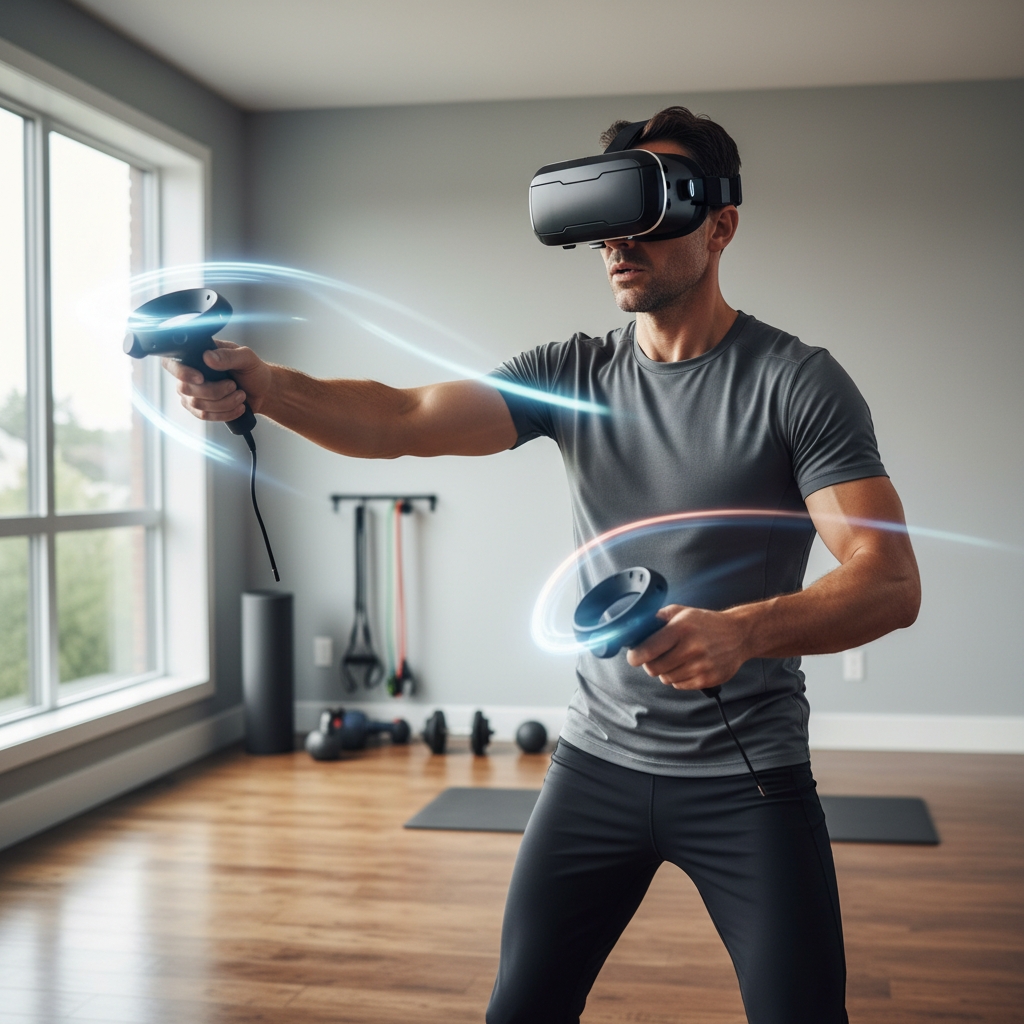
Boxing and combat training for higher heart rate
- Thrill of the Fight: a frequent pick for people who want a tough cardio session without thinking too much.
- Les Mills BODYCOMBAT: more guided, more “program,” great if you prefer follow-along training.
- Until You Fall: sword-fighting loops that sneak in shoulder fatigue and core bracing.
Reality check: these can spike perceived exertion fast, if you’re coming back from injury, or managing blood pressure, it’s worth asking a clinician what intensity range is appropriate.
Legs, squats, and “I didn’t expect my thighs to hurt” games
- Pistol Whip: the classic “accidental squat workout,” but only if you choose to move and not just stand still.
If knees are sensitive, reduce depth, widen stance, and keep tracking stable, forcing deep reps in VR often backfires.
Lower-impact options for lighter days
- The Climb 2: steadier effort and engagement, useful on recovery days.
- Gentler modes inside class apps: many platforms offer beginner sessions that emphasize form over speed.
These choices matter if you want a long streak, most people burn out when every session turns into a max-effort day.
Self-check: which VR workout type fits you?
Before you buy anything, run this quick checklist, it prevents the most common mismatch. If you answer “yes” to multiple, prioritize the first one that affects safety or comfort.
- I get motion sick easily: lean toward stationary rhythm games and strong comfort settings, avoid artificial locomotion.
- I only have a small play area: pick titles that work in-place and don’t require big lateral steps.
- I want fat-loss support: choose something you can do 20–40 minutes, 3–5 days/week, intensity matters less than repeatability.
- I want strength, not just sweat: select boxing/combat plus add a simple off-VR strength plan, VR alone often underdoses lower-body strength.
- I hate “classes”: game-forward progression like Beat Saber or Until You Fall tends to feel less like homework.
According to the CDC guidelines on physical activity, adults generally benefit from a mix of aerobic activity and muscle-strengthening work during the week, VR can cover cardio nicely, but you may still want basic strength sessions.
Make it work in real life: setup and programming tips
People don’t quit because the games aren’t good, they quit because the setup is annoying or the sessions feel random. A little structure fixes a lot.
Simple weekly plan (easy to follow)
- 2 days: higher-intensity cardio (boxing or hard rhythm sets)
- 1–2 days: moderate rhythm or mixed class sessions
- 1 day: low-impact or mobility-focused session
- Optional: 2 short strength blocks off-VR (10–20 minutes), think squats/hinges/push/pull
Comfort upgrades that help you stay consistent
- Face interface and hygiene: sweat happens, a wipeable interface usually makes you less likely to skip.
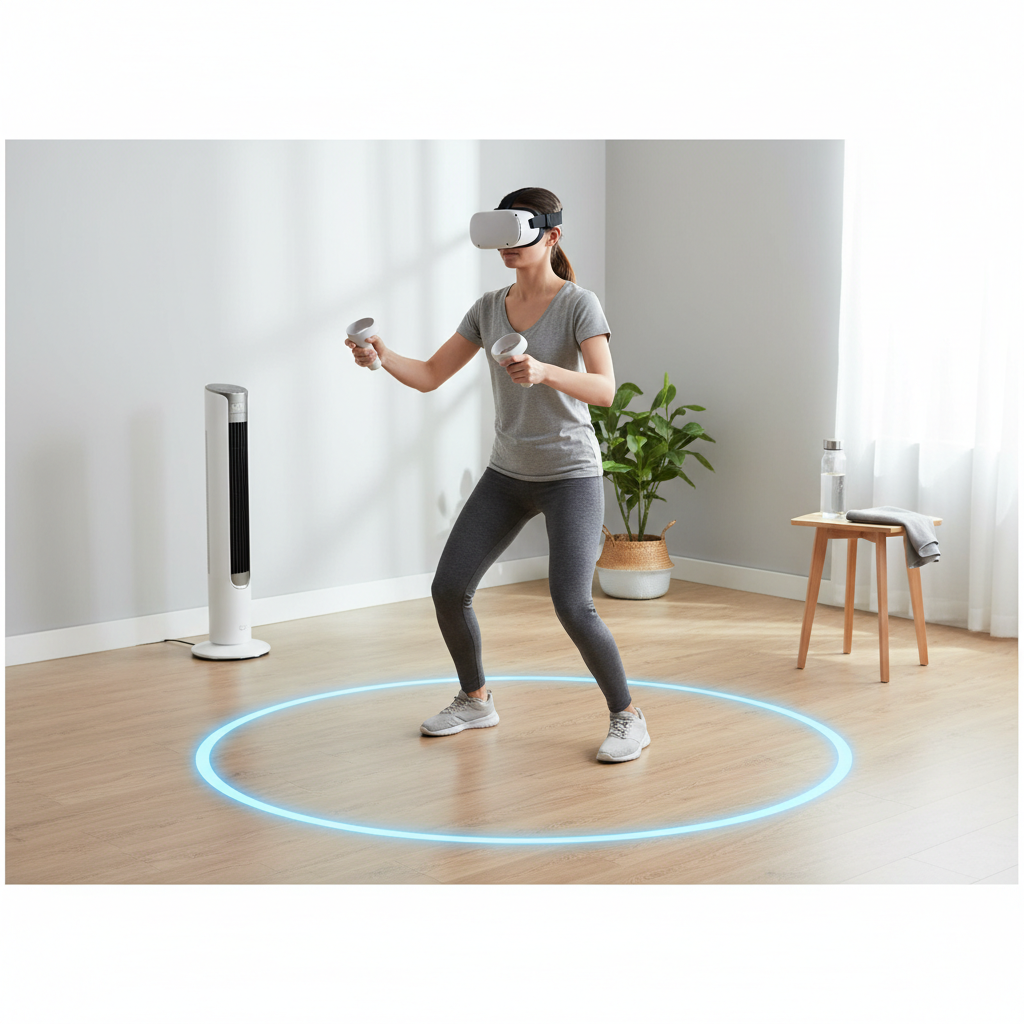
- Airflow: a small fan aimed at your torso reduces fogging and improves perceived effort.
- Boundary discipline: set a conservative guardian boundary, VR lunges near a coffee table ends badly.
Safety and common mistakes (the stuff that quietly ruins progress)
VR makes it easy to push harder than you think, and it also makes it easy to use sloppy mechanics because you’re focused on targets, not joints.
- Over-gripping controllers: death-grip can flare forearms and elbows, loosen hands and let wrist straps do their job.
- Shoulders creeping up: common in boxing games, keep shoulders down and ribs stacked to avoid neck tension.
- Going from zero to daily HIIT: soreness is one thing, persistent joint pain is another, build volume over weeks.
- Ignoring heat and hydration: headsets trap warmth, take breaks, drink water, and stop if you feel dizzy.
According to the American Heart Association, paying attention to warning signs during exercise matters, chest pain, unusual shortness of breath, or faintness should be taken seriously and can warrant medical evaluation.
Conclusion: the “best” VR fitness game is the one you’ll replay
Searching best vr fitness games 2026 makes sense because the store is crowded, but the winner for you usually comes down to adherence: pick a format you like, make the setup frictionless, and rotate intensity so you don’t burn out.
- If you want a safe default: start with Beat Saber for habit building, then add a boxing option when you crave harder cardio.
- If you want structure: a coached class app plus a simple weekly plan tends to keep momentum.
If you want, tell me your headset, available space, and whether you prefer music or boxing, and I’ll narrow this to a 2–3 game shortlist that fits your situation.