best vr narrative games 2026 is a search that usually means one thing: you want story-first VR that actually lands emotionally, without wasting hours on “cool tech demos” that forget to tell a real story.
VR narrative games are in a weird spot, in a good way, because production values keep rising, but “narrative” can mean anything from a two-hour interactive film to a 20-hour RPG with branching quests. If you buy the wrong kind, you’ll feel it fast: motion discomfort, thin writing, or pacing that collapses once the novelty fades.
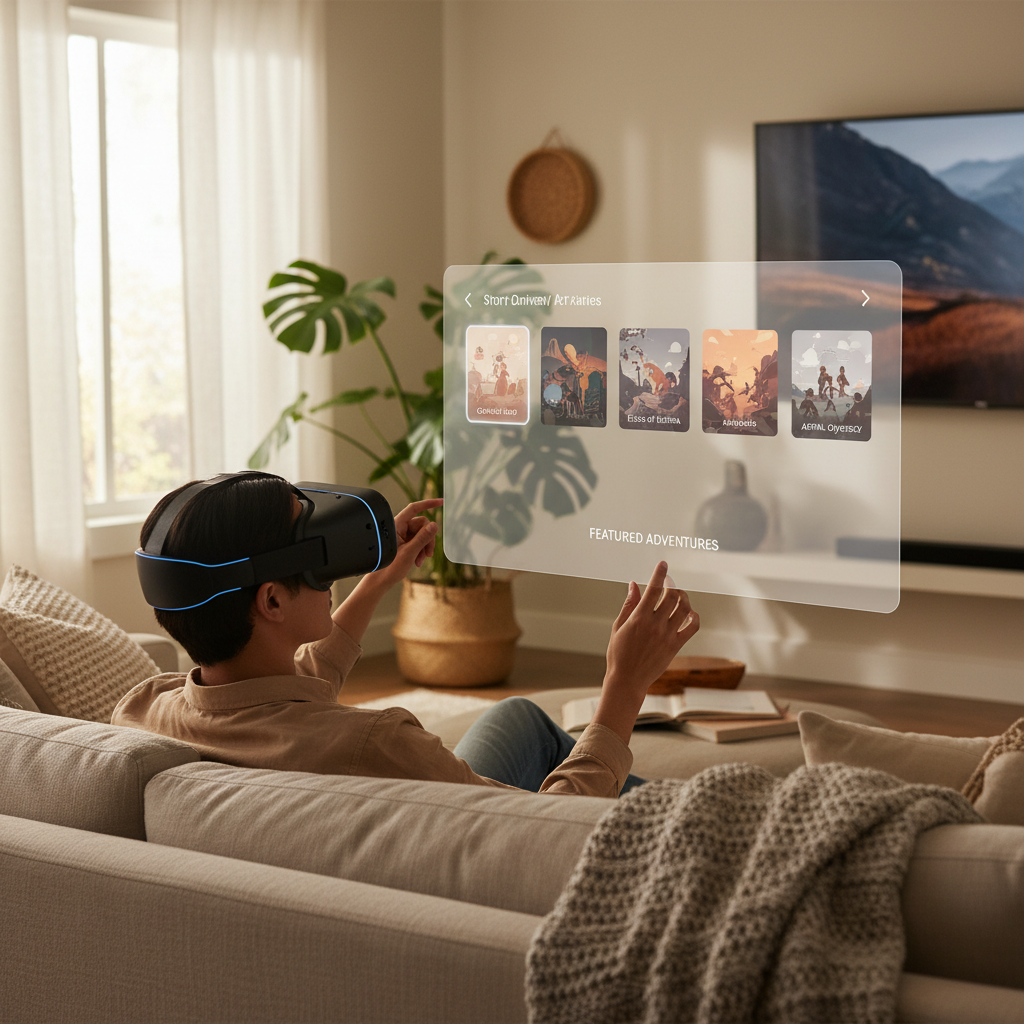
This guide focuses on what matters in 2026: narrative density, player agency, comfort options, and platform fit. You’ll also get a quick comparison table and a practical way to pick based on the kind of story mood you’re chasing.
Key takeaways: story VR hits hardest when pacing matches your tolerance for locomotion, and when the game uses presence for character moments, not just “look, a big set piece.”
What “narrative” really means in VR (and why people get disappointed)
In flat games, a good story can survive mediocre controls. In VR, control choices and comfort settings can quietly decide whether the narrative works at all, because your body stays involved the whole time.
- Interactive film: short, polished, limited agency, often the safest for comfort.
- Adventure/puzzle story: environmental storytelling plus dialogue, usually room-scale friendly.
- Choice-driven drama: branching conversations, moral decisions, replay value depends on meaningful consequences.
- Narrative RPG: character build + quests, longer sessions, locomotion matters more.
Most disappointment comes from mismatched expectations: you wanted a branching drama, you bought an “experience.” Or you wanted a cozy mystery, you got a shooter with voice logs.
How we’re judging the best VR narrative games in 2026
Since “best” gets personal fast, it helps to be transparent about the filters. These are the criteria that tend to separate memorable story VR from everything else.
- Writing and performance: dialogue that sounds human, acting that fits VR’s closeness.
- Presence-driven storytelling: scenes built around eye contact, proximity, object handling, and silence.
- Agency without busywork: choices that change tone, relationships, or outcomes, not just cosmetic toggles.
- Comfort options: snap turning, vignette, teleport, seated mode, and readable UI.
- Finishability: a narrative arc most players can realistically complete.
According to the Entertainment Software Rating Board (ESRB) and major headset platform storefronts, you should also sanity-check age rating and comfort labels before buying, especially if you’re sensitive to motion or plan to share with family.
Quick comparison table: story-first VR picks by vibe
This table isn’t trying to be the only list, it’s a shortcut. If a title is available across multiple headsets, performance and comfort can still vary by platform and settings.
| What you want | Look for | Typical session | Comfort risk | Best for |
|---|---|---|---|---|
| Emotional character story | Strong voice acting, close-up scenes, slower pacing | 45–90 min | Low–Medium | Players who want “feel something” VR |
| Mystery & investigation | Clue boards, object interaction, readable notes | 60–120 min | Low | Cozy sleuths, puzzle fans |
| Choice-driven drama | Branching dialogue, relationship tracking | 30–75 min | Low | Replay-focused narrative players |
| Cinematic action story | Set pieces, scripted moments, clear chapter breaks | 30–60 min | Medium–High | Thrill seekers who still want plot |
| Long-form narrative RPG | Quests, party banter, lore depth | 90–180 min | Medium | Players who want hours of story |

If you’re building your own shortlist for the best vr narrative games 2026, start by deciding whether you want closure (a tight ending) or continuation (quests and systems that keep going). That single choice eliminates a lot of bad fits.
2026 short list: narrative VR games that tend to satisfy story-first players
Rather than pretend there’s one definitive ranking, here’s a practical short list of narrative-forward VR titles and “types” that often earn recommendations in 2026 discussions. Availability depends on storefront and region, and some games get periodic performance updates that change the experience.
Big, cinematic story campaigns
- Half-Life: Alyx: still a benchmark for environmental storytelling and pacing, especially on PC VR.
- Arizona Sunshine 2: more character-forward than many expect, with a clear campaign structure.
- Metro Awakening: strong atmosphere if you like tense, story-led survival tone.
Adventure and puzzle narratives
- The 7th Guest VR: classic mystery structure with modern VR interaction.
- Red Matter 2: sleek sci-fi mystery energy, great if you like “solve, explore, reveal.”
- The Room VR: A Dark Matter: tactile puzzles with a steady narrative thread.
Horror narratives with real story beats
- Resident Evil 4 VR: action-horror with a full campaign, comfort depends on locomotion settings.
- The Walking Dead: Saints & Sinners: emergent moments plus story missions, heavier survival vibe.
Choice and relationship-driven experiences
- Vampire: The Masquerade – Justice: narrative stealth with character motivation and consequences.
- Wanderer: time-bending adventure feel, good for players who want “plot with puzzles.”
One quick reality check: some of the “best vr narrative games 2026” conversations mix in hybrids where story sits alongside roguelite loops or sandbox systems. If you bounce off repetition, favor campaign-first titles.
Self-check: pick your best match in 2 minutes
Answer these honestly and your hit rate improves a lot.
- I get motion sick easily → prioritize teleport movement, seated play, slower camera motion, and short chapters.
- I only play in 30–45 minute blocks → look for episodic structure and frequent autosaves.
- I want dialogue choices that matter → confirm branching outcomes in reviews, not just “choose a line.”
- I hate reading tiny text in VR → avoid investigation games with dense documents unless UI scaling exists.
- I want to feel “in the scene,” not “playing a menu” → favor games with diegetic UI, physical interactions, fewer pop-ups.
If two answers conflict, comfort wins. A brilliant story you can’t tolerate becomes a refund request, or worse, a half-finished library purchase.
Practical buying and setup tips (so the story actually lands)
Narrative VR is sensitive to friction. A few setup habits can make the difference between “immersive” and “I fought the controls for an hour.”
- Calibrate height and play space before your first story beat, not after you bump into a table mid-scene.
- Turn on subtitles in noisy homes, VR audio can be excellent but real life interrupts.
- Start with comfort settings higher, then relax them later; most people do better easing in.
- Use chapter breaks as your stop points so pacing stays intact.
- On PC VR, prioritize stable frame rate over ultra settings; stutter can break tension and cause discomfort.
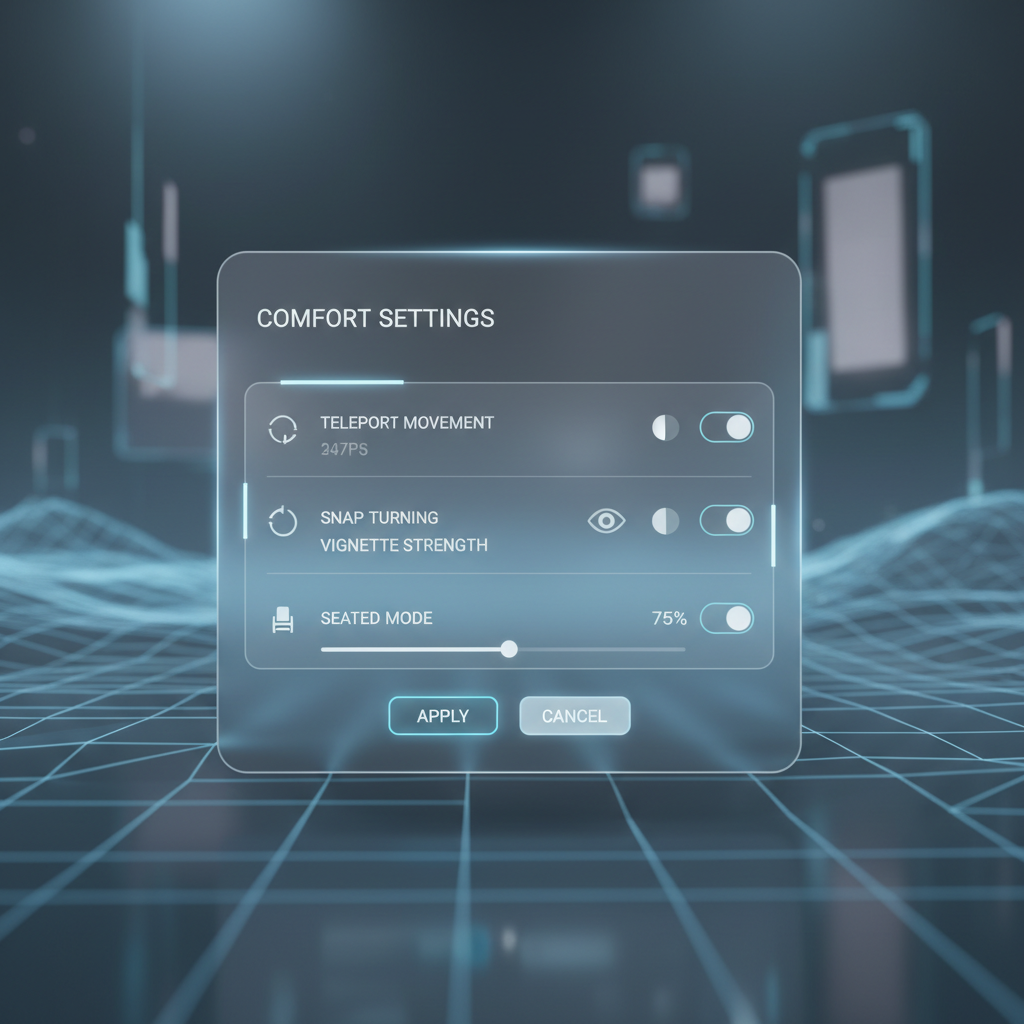
According to the U.S. Food and Drug Administration (FDA), virtual reality can cause symptoms such as motion sickness or eye strain for some users. If you experience persistent discomfort, it’s sensible to stop and, when appropriate, consult a healthcare professional.
Common mistakes when choosing story-driven VR
A few patterns show up again and again, even for experienced gamers.
- Buying by hype trailer: trailers sell tone, not pacing, and pacing is everything in VR narrative.
- Ignoring comfort labels: a “moderate” comfort rating can be totally fine for one person and miserable for another.
- Assuming length equals value: some of the most satisfying narrative experiences are compact and deliberate.
- Forgetting your play space: room-scale requirements can turn “great story night” into constant boundary warnings.
- Not checking save systems: story games without reliable saves punish short sessions.
If you’re curating your own best vr narrative games 2026 list, treat comfort and save design as non-negotiables, then argue about plot twists later.
Conclusion: a simple way to pick your next narrative VR game
The most reliable approach is boring, but it works: choose your story vibe, match it to your comfort tolerance, then confirm session length and save behavior. After that, the “best” title usually becomes obvious.
If you want one action step, pick two games: one short, high-polish narrative (to finish this week) and one longer campaign (to live in over time). That mix keeps your library from turning into a pile of unfinished stories.