
Best games with cave exploration and dark zones usually fall into two camps: games where darkness is a puzzle you manage, and games where darkness is the threat itself. If you love that mix of tight visibility, echoing tunnels, and the “do I go deeper or turn back” feeling, you’re in the right place.
It’s worth being picky here, because “caves” can mean anything from a short scripted corridor to a full-on survival loop with oxygen, batteries, maps, and genuine risk. A lot of lists blur those differences, then you buy something and realize the underground section lasts ten minutes.
This guide focuses on games where subterranean spaces and low-light zones are a core part of the experience, not a one-off set piece. I’ll also call out what kind of tension each game delivers, since horror, survival, and exploration-only darkness hit very differently.
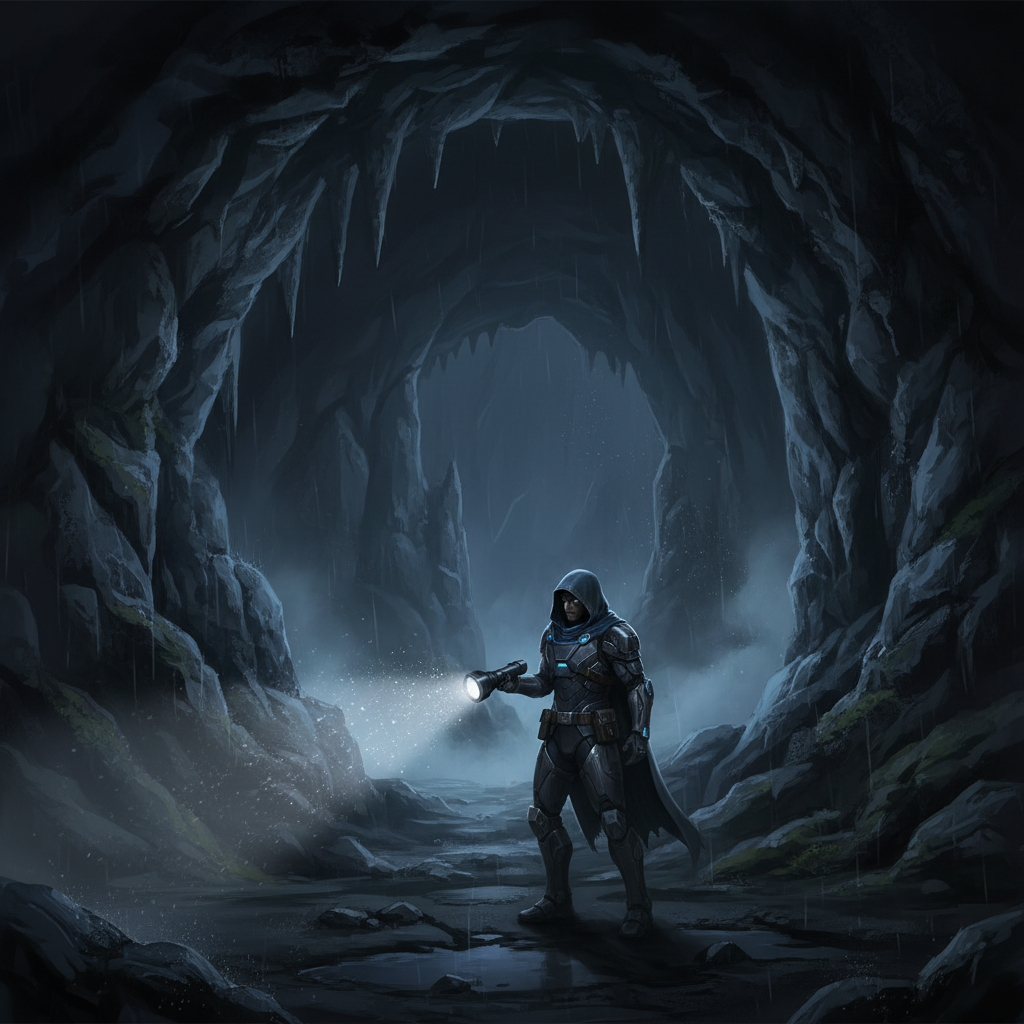
What “cave exploration” and “dark zones” really mean in games
In practice, “cave exploration” tends to show up as navigation constraints: tight corridors, vertical drops, branching tunnels, and limited landmarks. “Dark zones” add a second layer, because your information gets throttled, you see less, hear more, and your toolset matters.
If you’re trying to find the right fit, it helps to label the darkness:
- Resource darkness: light costs fuel, batteries, or sanity management.
- Threat darkness: enemies become harder to read, ambushes increase, stealth becomes mandatory.
- Navigation darkness: maps are unreliable, landmarks repeat, you rely on breadcrumbs and memory.
- Atmosphere darkness: you could see fine, but the game chooses not to, for mood and dread.
According to the Entertainment Software Rating Board (ESRB), ratings and content descriptors help players understand what kind of intensity to expect, which matters if you want “dark” without heavy horror themes.
Quick comparison table (what to play for your preferred vibe)
Not everyone wants the same kind of underground tension. This table is meant to help you choose based on feel, not hype.
| Game | Best for | Dark-zone hook | Intensity |
|---|---|---|---|
| Subnautica | Exploration + fear of the unknown | Lightless depths, bioluminescence, risky scouting | Medium |
| Minecraft (caves & deep dark) | Sandbox spelunking | Limited light, ambush mobs, wardens in deep dark | Low to High (configurable) |
| Deep Rock Galactic | Co-op cave missions | Flares, dynamic cave generation, swarms in darkness | Medium |
| Metro Exodus | Story-driven survival | Claustrophobic tunnels, stealth, low-visibility fights | High |
| The Forest / Sons of the Forest | Survival horror caves | Pitch-black caverns, limited supplies, sudden threats | High |
| Hollow Knight | Atmospheric underground world | Labyrinthine routes, dim biomes, tense backtracking | Medium |
The best games with cave exploration and dark zones (top picks)
Here are the standouts that consistently deliver meaningful underground traversal and darkness gameplay, not just a “dark level” you forget about.
Subnautica
Subnautica is basically cave exploration with an ocean mask on, and that’s why it works. The deeper you go, the more the environment becomes the enemy: visibility drops, navigation gets tricky, and you start planning routes instead of wandering.
- Why it fits: you’re often choosing between safer shallows and darker, richer zones.
- What people underestimate: panic spirals happen when you lose orientation in a tight cave pocket.
Minecraft (Caves & Cliffs + Deep Dark)
Minecraft earns a spot because its caves can become a full game within the game, especially once you treat lighting as strategy rather than decoration. The Deep Dark turns “don’t run out of torches” into “don’t make noise,” which changes the mental math.
- Why it fits: darkness affects spawns and pace, caves are sprawling and repeatable.
- Tip: if you want more tension, go in under-geared on purpose, but accept you may lose items.
Deep Rock Galactic
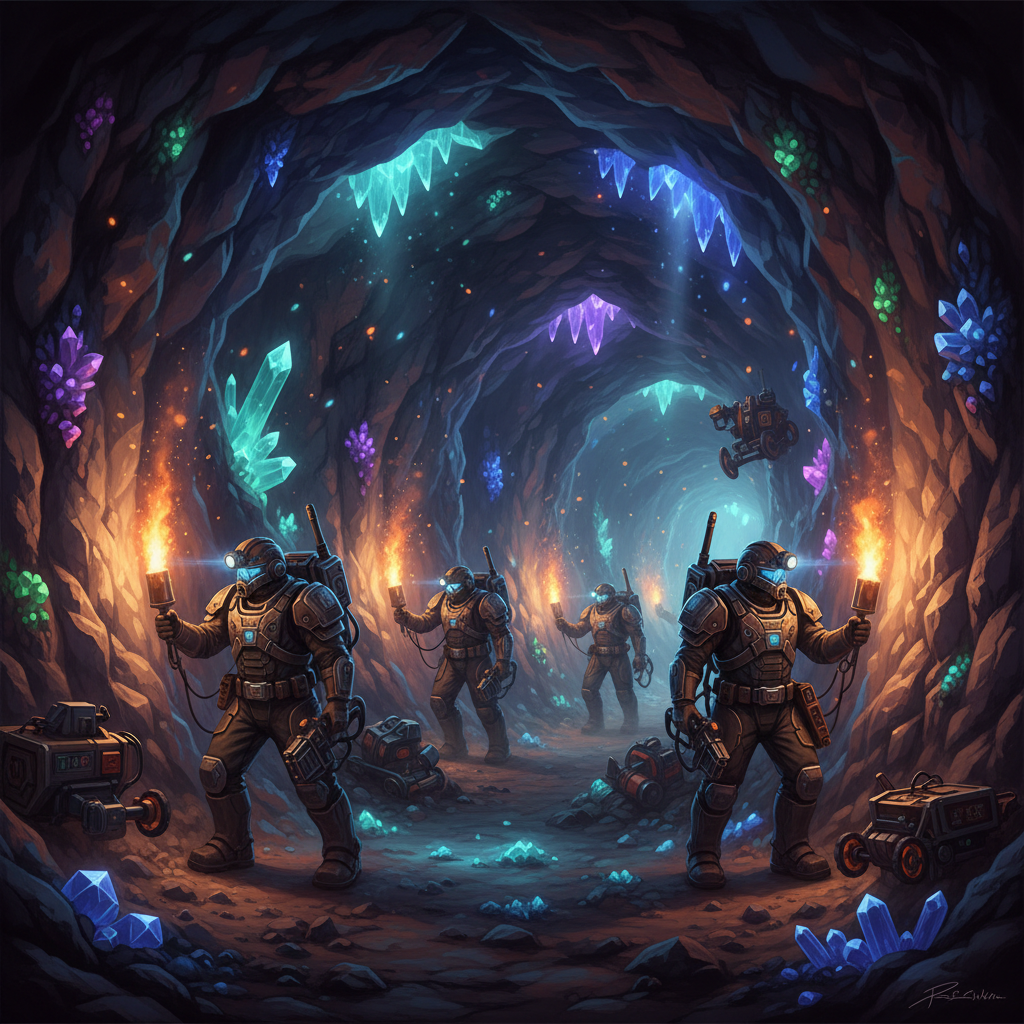
This is one of the cleanest “dark zones as a team problem” designs. You drop into caves with limited visibility, your flares become a shared resource, and your positioning starts to matter because threats arrive fast.
- Why it fits: the cave itself is content, layouts change, and darkness affects coordination.
- Best played: co-op, but solo still works if you like methodical pacing.
Metro Exodus (and the Metro series vibe)
Metro nails the feeling of moving through hostile, low-light spaces where every choice has a cost. When you enter darker areas, you’re usually balancing stealth, ammo, and healing, with just enough visibility to doubt what you saw.
- Why it fits: tunnels and bunkers aren’t filler, they’re where your planning shows.
- Good to know: if you hate resource pressure, this can feel stressful, not fun.
The Forest / Sons of the Forest
If you want caves that feel like a commitment, these games deliver. You go underground because you need something, and once you’re in, the “dark zone” isn’t a mood, it’s a mechanical disadvantage that can punish rushing.
- Why it fits: darkness, tight geometry, and unpredictable encounters combine well.
- Reality check: co-op can reduce fear a lot, which is either a pro or a con.
Hollow Knight
Not every pick here needs a flashlight to count. Hollow Knight is underground exploration as mood, and it’s very good at making you feel small in a huge network of caverns, ruins, and forgotten stations.
- Why it fits: pathfinding, backtracking, and dim biomes create a “deep down” mindset.
- Who it’s for: players who want tension through navigation and combat mastery.
Self-check: what kind of “dark zone” player are you?
Before you buy, get honest about what you actually enjoy. Many people say they want scary caves, then bounce when the game demands patience.
- You like mapping and route planning more than jump scares.
- You don’t mind moving slowly to keep information and control.
- You enjoy risk/reward decisions, like going deeper for better loot.
- You tolerate losing progress sometimes, or you at least accept the possibility.
- You prefer audio cues and atmosphere, not constant combat.
If you checked only one or two, you’ll probably be happier with a lighter exploration game that includes caves, rather than a survival horror loop where darkness is the main pressure.
Practical tips to enjoy cave-heavy games without burning out
The difference between “this is intense in a good way” and “I’m done” usually comes down to preparation and pace, not skill.
Make darkness a system, not a vibe
- Carry redundancy: two light sources beats one strong light, especially in long cave runs.
- Mark your exits: visual breadcrumbs, dropped items, or map pins, depending on the game.
- Stop chasing loot when you’re low on healing or batteries; greed ends runs.
Use accessibility and comfort settings on purpose
If your goal is exploration, there’s no shame in tweaking settings. According to Xbox Support, accessibility features can include visual and audio options that help more players enjoy games comfortably, and many titles now offer brightness, subtitles, color filters, and difficulty tuning.
- Raise gamma slightly if the game crushes blacks and you’re missing critical cues.
- Turn on subtitles if you rely on sound cues but play in a noisy room.
- Consider lower difficulty if the “dark zone” already adds cognitive load.
Play sessions with a clear objective
Going underground “to explore” sounds nice, but it often leads to wandering fatigue. Try a simple goal: reach one new landmark, clear one tunnel branch, extract one resource, then leave.

Common mistakes (why some “dark cave” games feel unfair)
A lot of frustration comes from playing a cave game like it’s an open field game. The underground punishes the same habits over and over.
- Over-brightening the screen until the game looks gray, then blaming the art direction. Small adjustments work better.
- Ignoring sound while listening to podcasts; caves often teach through audio cues.
- No exit plan, especially in survival games. Going in is easy, coming out costs resources.
- Assuming “more gear” fixes fear. Often it’s routing and familiarity that lower stress.
When to take a break or ask for help (yes, even for games)
Dark zones can be genuinely stressful, and that’s sometimes the point, but not at the expense of your wellbeing. If you notice headaches, nausea, panic, or sleep disruption, it’s reasonable to pause, adjust settings, or switch to a less intense title. If symptoms persist, it may help to consult a healthcare professional, especially if you suspect motion sensitivity or anxiety triggers.
If you’re playing with kids or teens, keep an eye on ratings and content descriptors. According to the Entertainment Software Rating Board (ESRB), those labels are designed to help families choose age-appropriate experiences.
Key takeaways (so you can choose fast)
- Pick the darkness type you like: resource management, stealth threat, navigation, or pure atmosphere.
- Start with a clear target: one cave objective per session keeps it fun.
- Use settings intentionally: minor brightness and subtitle tweaks can make dark zones feel fair.
- Match intensity to your mood: co-op and sandbox options often reduce stress.
Conclusion: choosing your next underground adventure
If you want best games with cave exploration and dark zones that feel rewarding, start by choosing the kind of tension you want to feel, then match it to a game’s core loop. Subnautica and Deep Rock Galactic are great when you want exploration and systems, Metro and The Forest lean into survival pressure, and Hollow Knight gives you that “lost underground” atmosphere without needing a flashlight simulator.
Pick one game from the table, set a small first-session goal, and commit to leaving the cave early on purpose. That one habit keeps the genre exciting instead of exhausting.
FAQ
What are the best games with cave exploration and dark zones on PC?
On PC, strong picks include Subnautica, Deep Rock Galactic, Metro Exodus, and The Forest or Sons of the Forest. They differ a lot in pacing, so choose based on whether you want co-op, story survival, or pure exploration.
Which cave exploration games are scary without being full horror?
Subnautica often lands here for many players, because it’s tense and unknown rather than jump-scare driven. Minecraft can also be tuned to feel spooky without leaning into graphic horror themes.
Are there co-op games that focus on dark caves and exploration?
Deep Rock Galactic is the clearest example: visibility and navigation become a team responsibility. Co-op also changes fear dynamics, since communication reduces surprise.
How do I make dark zones easier to navigate without ruining immersion?
Try small gamma changes, rely more on subtitles and audio cues, and use whatever marking tools the game offers. Big brightness jumps can flatten the look, but subtle tweaks usually keep the mood intact.
Do “dark zone” mechanics usually mean stealth gameplay?
Often, but not always. Some games use darkness for resource pressure instead of stealth, while others use it to make combat messy and uncertain. Reading the loop matters more than the label.
What should I look for if I mainly want exploration, not combat?
Look for games where caves are about navigation, scanning, and tool use rather than constant encounters. Subnautica leans exploration-first, while Metro and The Forest tend to demand more defensive play.
Why do I get headaches or nausea in dark games?
It can be related to motion sensitivity, low visibility strain, or display settings like motion blur and field of view. Consider adjusting those options, taking breaks, and if symptoms keep showing up, it may be worth asking a healthcare professional.
If you’re trying to pick among best games with cave exploration and dark zones and want a more tailored shortlist, think about your tolerance for resource pressure and how much co-op support you want, then narrow to one “systems-heavy” pick and one “atmosphere-first” pick so your next play session matches your mood.