
Best games with drone combat and scouting are usually the ones where drones feel like a real toolkit, not a one-off gimmick you tap once and forget. If you want to tag enemies, breach rooms, jam electronics, or win fights from a camera feed, the “right” game comes down to how deep its recon loop runs and how fair the counterplay feels.
This list leans into games where drones matter in moment-to-moment decisions: information gathering, flanking, trap checks, objective play, and sometimes straight-up drone-on-human damage. I’m also calling out where drones are more “spotting gadgets” versus true remote combat units, because that difference tends to decide whether you’ll stick with the game long-term.
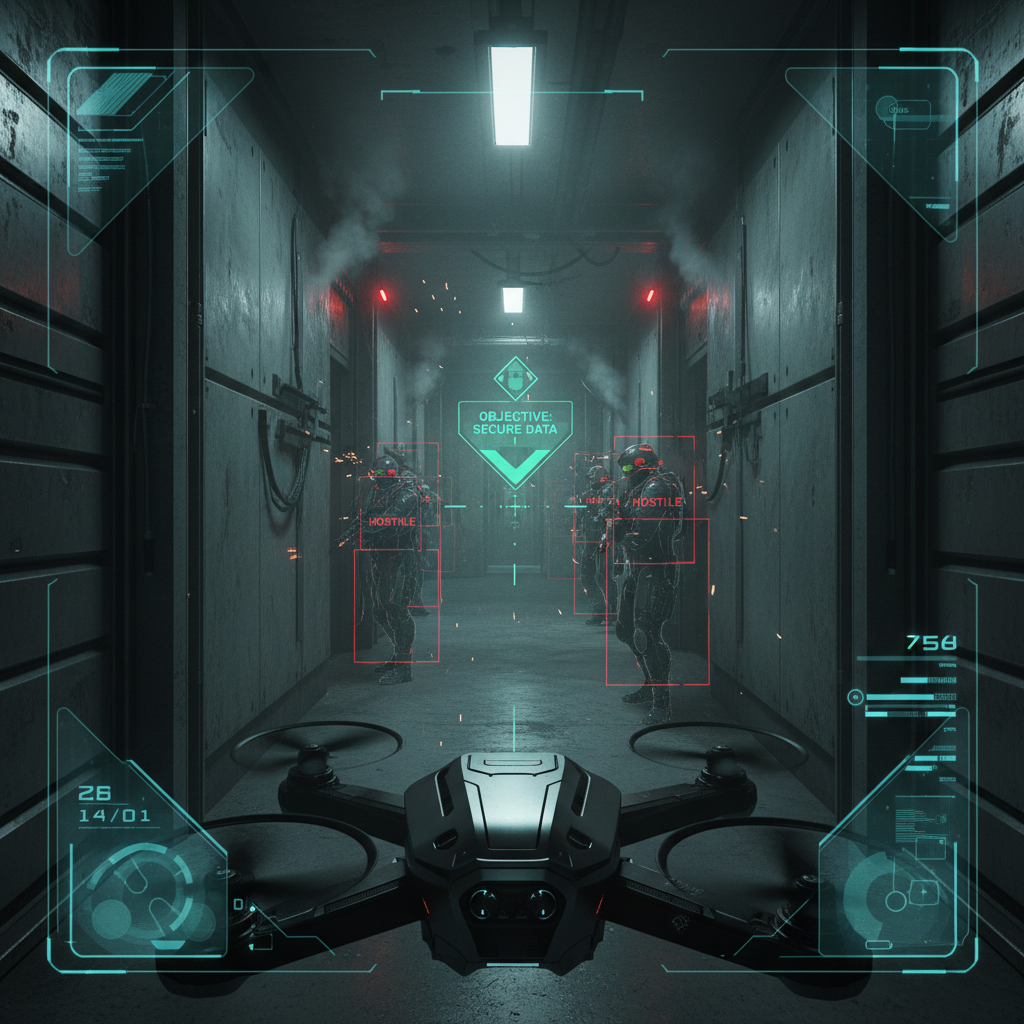
One quick note before we get into picks: drones tend to shine when teams communicate, even lightly. That doesn’t mean you need a five-stack, it just means games that reward pinging, callouts, and map awareness will make drone play feel more satisfying.
What “drone combat & scouting” really means in games
Players often search for best games with drone combat and scouting but mean slightly different things. Here are the most common “drone fantasies,” and which one you should optimize for.
- Pure scouting: safe intel, enemy tags, trap detection, route planning.
- Scout + disruption: EMP, jammers, decoys, hacking, door interactions.
- Scout + direct combat: drones that shoot, explode, or otherwise deal meaningful damage.
- Persistent drone play: multiple drone types, upgrades, or builds that stay relevant late game.
If you mainly want combat drones, you’ll probably be happier with games that treat drones like a controllable “secondary character.” If you want smart recon, tactical shooters and co-op heists usually do it best.
Quick comparison table: top picks by drone depth
This table is meant to help you pick fast. “Drone combat” here means drones can directly impact fights, not just spot.
| Game | Best for | Drone scouting depth | Drone combat | Play style |
|---|---|---|---|---|
| Tom Clancy’s Rainbow Six Siege | High-skill intel and counters | Very high | Limited (gadgets + intel) | Competitive PvP |
| Ghost Recon Breakpoint | Solo/co-op recon planning | High | Moderate (drone enemies + tools) | Open-world co-op |
| Watch Dogs 2 | Hacking + stealth scouting | High | Situational (distractions, hacks) | Open-world sandbox |
| Watch Dogs: Legion | Gadget-driven infiltration | High | Moderate (combat drone options) | Open-world sandbox |
| Payday 2 | Co-op utility and support | Medium | Light to moderate (skill/build dependent) | Co-op heist shooter |
| The Division 2 | Buildcraft with drone skills | Medium | High (attack/utility drones) | Looter-shooter co-op |
Best games with drone combat and scouting (editor’s picks)
Below are the titles where drones consistently shape how you approach a mission or fight. Availability and balance can change over time, especially in live-service games, so treat this as a “how it feels to play” guide more than a permanent ranking.
Tom Clancy’s Rainbow Six Siege
If you care about scouting as a skill, Siege still sets the bar. Drones aren’t just for opening seconds; good teams keep them alive for late-round pivots, flank watch, and post-plant info.
- Why it works: intel is powerful but fragile, defenders have real counter tools.
- Drone highlights: pre-round scouting, hidden cam wars, baiting utility, late-round “eyes” for executes.
- Reality check: drone “combat” is mostly indirect, the damage comes from the team acting on info.
According to Ubisoft, Siege is designed around destruction, gadgets, and team tactics, which is exactly why drone scouting stays relevant even when the meta shifts.
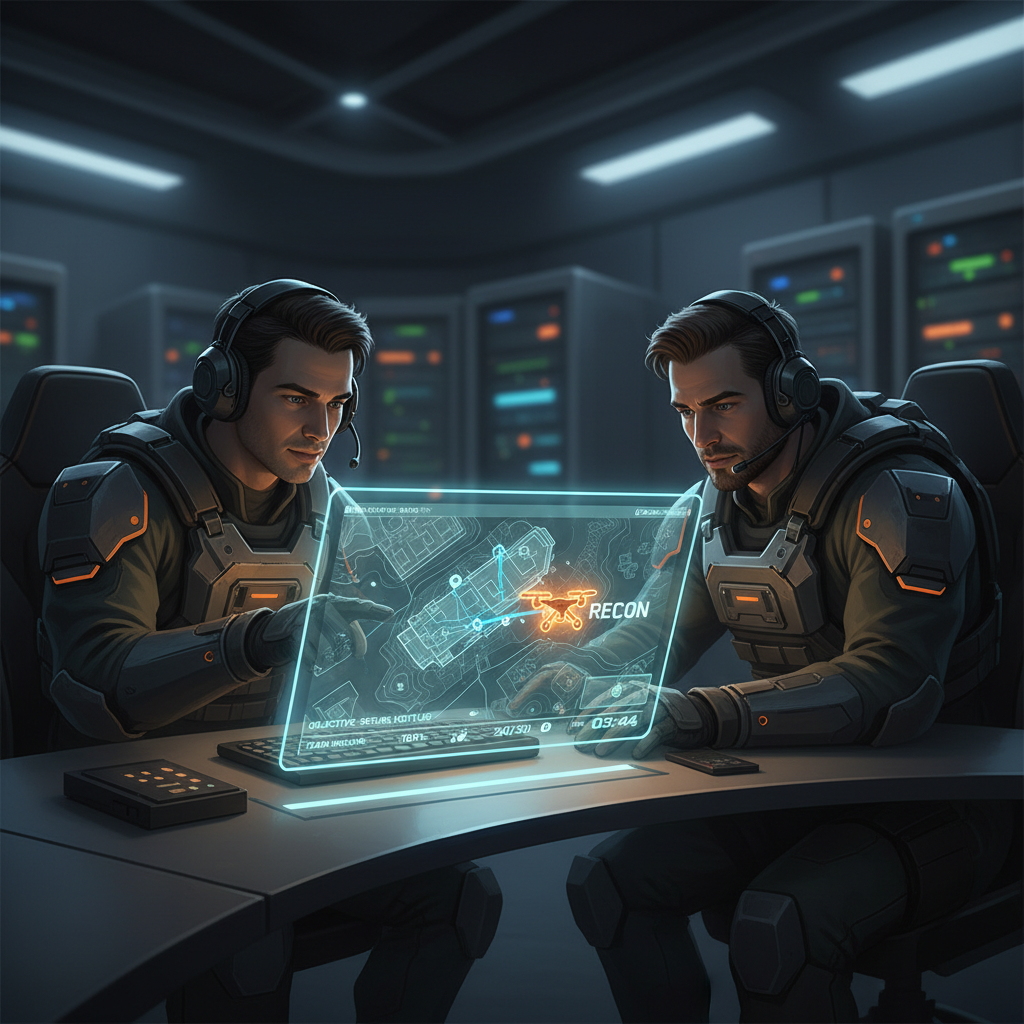
Tom Clancy’s Ghost Recon Breakpoint
Breakpoint leans into the fantasy of “I’ll scout this base properly, then move.” The drone helps you identify patrol patterns, mark targets, and reduce nasty surprises when you go loud or stay stealthy.
- Why it works: open-world outposts reward patience and recon routes.
- Drone highlights: tagging enemies, spotting turrets, checking rooftops, planning entry points.
- Reality check: many drones are tools, not your main damage dealer, though drone threats and gadgets can raise the stakes.
Watch Dogs 2
For scouting plus creative disruption, Watch Dogs 2 is hard to beat. The RC tools and flying drone let you solve problems from a distance, and the hacking layer makes “combat” feel more like engineering chaos than pure gunplay.
- Why it works: you can complete many objectives without direct confrontation.
- Drone highlights: camera hopping, guard distraction chains, remote doors, stealth objective clears.
- Reality check: if you want drones to win firefights directly, this isn’t the main vibe.
Watch Dogs: Legion
Legion pushes the gadget side further, including drone-centric approaches that feel closer to “build a playstyle.” In many situations, scouting and combat interplay better than in Watch Dogs 2, depending on who you recruit and which tools you lean on.
- Why it works: different operatives change how drone-forward you can be.
- Drone highlights: flexible infiltration, security manipulation, combat support options.
- Reality check: the sandbox freedom can be inconsistent mission to mission.
The Division 2
If you want drones that matter in fights, The Division 2 is a clean recommendation. The drone skills can provide steady pressure or support while you manage positioning and cooldowns, and builds can tilt you toward more aggressive drone uptime.
- Why it works: drones feel like a real part of your kit, not a side minigame.
- Drone highlights: attack drone pressure, drawing aggro, finishing low-health enemies, supporting team pushes.
- Reality check: you’ll still spend plenty of time shooting, drones amplify rather than replace gunplay.
According to Ubisoft, The Division 2 is built around tactical cover-based combat and RPG systems, which explains why drone skills tie naturally into builds and team roles.
Payday 2
Payday 2 is more niche on drones, but for the right player it scratches the “support operator” itch. In co-op, drone utility can reduce risk during key moments, and that’s often what makes a heist feel controlled instead of chaotic.
- Why it works: co-op roles matter, information and utility feel valuable.
- Drone highlights: situational recon, support utility depending on your setup.
- Reality check: it’s not a drone simulator, it’s a heist shooter where drones can complement a build.
How to tell if a game’s drones will feel “good” to you
Before you buy, it helps to quickly sanity-check what you actually want. A lot of disappointment comes from expecting combat drones in a game that treats them as cameras.
- You’ll enjoy drone scouting if you like slower clears, map knowledge, and “win by information.”
- You’ll enjoy drone combat if you like cooldown management, target selection, and pressure tools that change enemy behavior.
- You might bounce off if you hate swapping viewpoints, or you want constant action with no setup time.
Also, look for counterplay. The most satisfying drone systems let enemies shoot them, jam them, or bait you into tunnel vision, because that creates real decisions instead of free value.
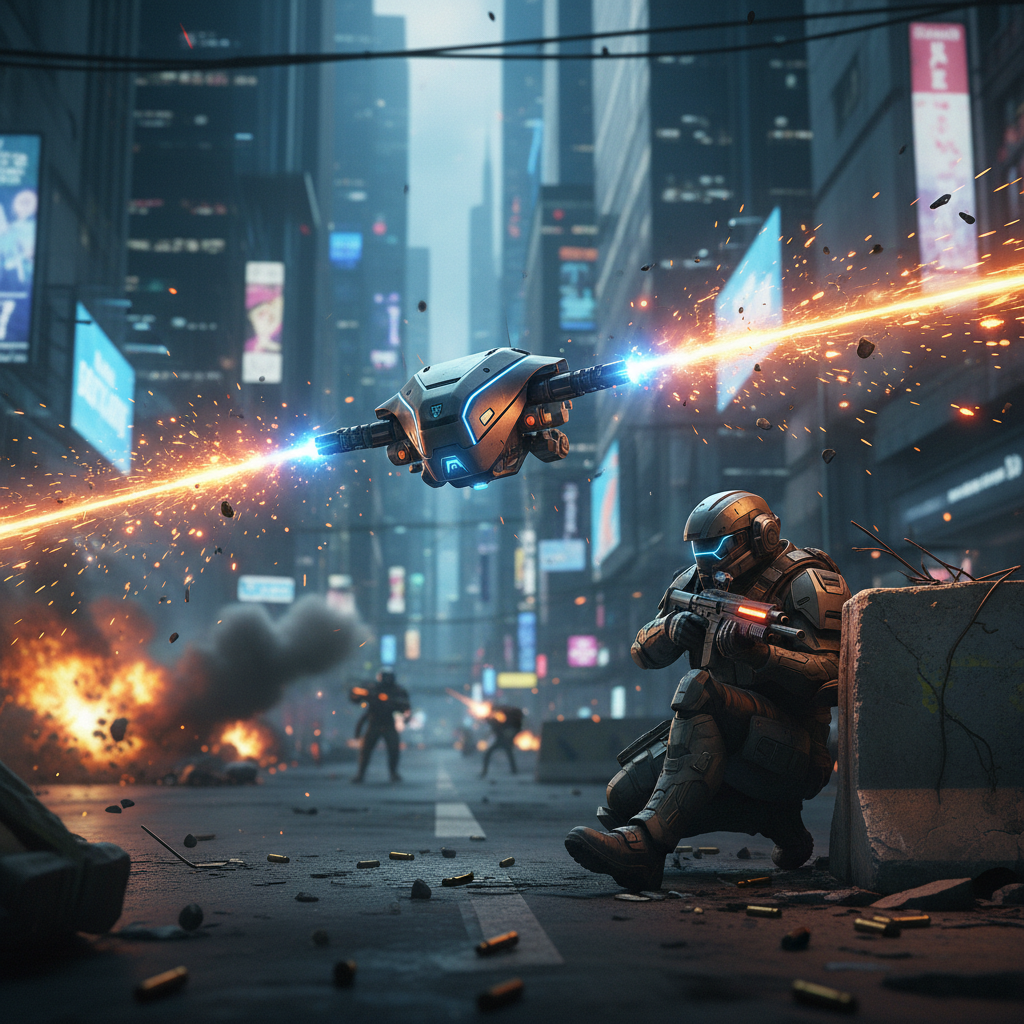
Practical tips: getting more value from drones (without overthinking)
Whether you’re playing one of the best games with drone combat and scouting or just experimenting, these habits usually make drones feel immediately stronger.
Scouting habits that translate across games
- Scan for routes, not just enemies: doors, ladders, vents, sightlines, choke points.
- Keep at least one “late drone” alive: saving a drone for endgame often wins objectives.
- Ping with intention: tag the anchor threat, not every warm body on the map.
- Check for counters early: jammer zones, camera traps, anti-drone turrets, patrol patterns.
Combat-drone habits (when your drone can deal damage)
- Use drones to force movement: a drone that doesn’t kill can still break cover or split attention.
- Time drones with your push: sending it too early wastes pressure, too late means you die before it matters.
- Don’t tunnel vision: if you’re staring at a drone feed, you’re trading awareness for control.
Common mistakes that make drone gameplay feel weak
- Over-scanning: spending a full minute scouting and then dying to the first corner because the info is stale.
- Feeding drones for free: flying straight lines, hovering in obvious spots, repeating the same entry route.
- Using drones as a crutch: refusing to learn sound cues, timings, or map flow because “the drone will tell me.”
- Ignoring team tempo: in co-op or PvP, scouting only matters if someone acts on it.
If drone play feels underpowered, it’s often a pacing issue, not a balance issue. Try shorter scouting passes, then move.
Key takeaways and how to pick your next game
If your priority is competitive intel battles, Rainbow Six Siege is still the cleanest drone-scouting experience. If you want open-world recon planning, Ghost Recon Breakpoint fits. If you want gadget scouting with creative problem-solving, Watch Dogs 2 and Legion deliver. If you want drones that actively contribute damage, The Division 2 is the most straightforward pick on this list.
Your next step: pick one game based on the drone fantasy you actually want, then commit to a simple routine for a week, one “late drone” saved, one scouting route you repeat and refine. That’s when drones stop feeling like a camera and start feeling like an advantage.
FAQ
What are the best games with drone combat and scouting on console?
On PlayStation and Xbox, Rainbow Six Siege, The Division 2, and Ghost Recon Breakpoint are commonly recommended because drone or skill gadgets remain part of core play. The “best” depends on whether you want competitive PvP or co-op progression.
Which game has drones that can actually kill enemies?
The Division 2 is the most direct example here, since drone skills can apply real combat pressure. In other games, drones often “kill” indirectly by enabling better pushes, flanks, or stealth clears.
Are there stealth games where drones replace fighting?
Watch Dogs 2 comes close in many missions, because scouting and hacking can solve objectives without gunfights. It varies by mission design, but the sandbox supports a low-violence approach more than most shooters.
Why do drones feel useless in some tactical shooters?
Usually it’s tempo. If the team doesn’t act on intel quickly, or if you drone so long the information expires, the drone “did nothing.” Counter-gadgets can also make careless drone routes feel pointless.
How do I practice drone scouting without getting overwhelmed?
Limit yourself to one goal per drone pass: confirm the objective room, find one defender, or check one flank route. You’ll learn map patterns faster, and your scouting won’t stall the round.
Do drones make games easier or harder?
Both. They can reduce uncertainty, but they add a second skill set: information management. In many cases, strong drone play raises your ceiling, but weak drone habits can distract you and get you eliminated.
Are drone-heavy games safe for kids?
It depends on the game’s rating and content. For families, it’s usually better to check the ESRB rating and read the content descriptors; if you’re unsure, consider asking a caregiver or using parental controls.
If you’re trying to decide between a few options, start by naming your preferred loop, competitive intel, open-world recon, hacking sandbox, or drone-forward combat builds, then pick the game that matches that loop instead of chasing whatever “has drones” on paper.