best games with music based story and gameplay are the ones where the soundtrack is not just background noise, it actively drives what you do and why it matters in the story.
If you have ever bounced off a rhythm game because it felt like pure score-chasing, or you loved a narrative game but wished the music actually “did” something, you are in the right place. Music-led design can make choices feel heavier, boss fights feel like performances, and exploration feel like listening instead of checking boxes.
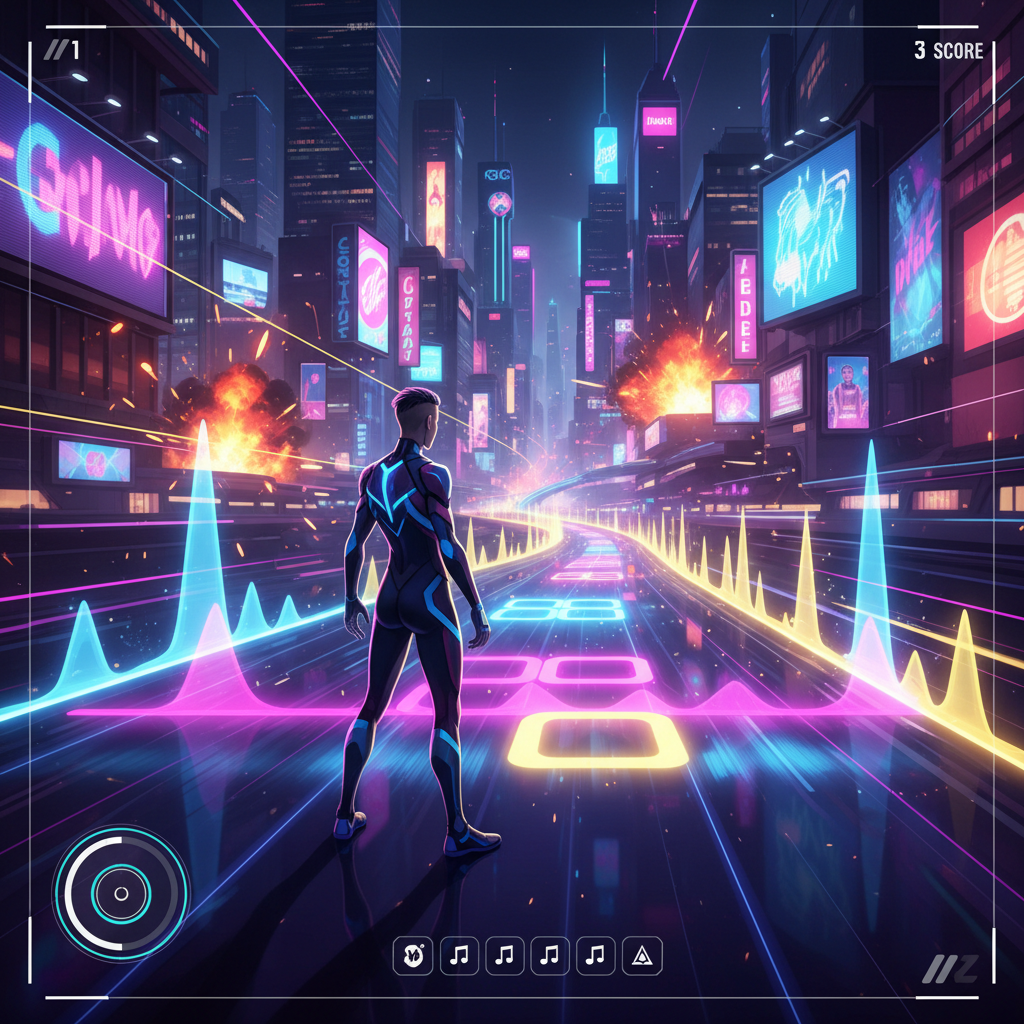
I am also going to be picky about definitions. “Music-based” here means one of two things: the plot is built around music as a theme, or the mechanics literally use music and timing as the core language of play. Often, the best titles do both, but not always.
What “music-based story & gameplay” actually means (so you pick the right kind)
Some games sell themselves as musical, then the music changes nothing. Others treat music like a physics system. Before jumping into recommendations, it helps to sort what you are craving.
- Narrative-first music games: story themes revolve around bands, performance, identity, memory, or sound culture, while gameplay may be light rhythm or exploration.
- Mechanic-first music games: timing, beat-reading, and audio cues drive combat, movement, or puzzle logic, story can be minimal but still present.
- Hybrid “music is the world” games: environments, enemies, and story beats are synchronized, your actions feel like playing inside a track.
Quick reality check: accessibility varies a lot. Some of the best games with music based story and gameplay are generous with difficulty options, others are intentionally intense and can feel punishing if you want a relaxed night.
Quick comparison table: standout picks at a glance
This is not a “top 50” dump. These are widely recognized titles where music is truly structural, with different flavors so you can match your mood.
| Game | What music does | Story emphasis | Best for | Platforms (common) |
|---|---|---|---|---|
| Hi-Fi RUSH | Combat and traversal sync to the beat | Medium-High | Stylish action with rhythm feel | Xbox, PC, PS |
| Crypt of the NecroDancer | Movement and attacks on beat | Low-Medium | Roguelike rhythm challenge | Switch, PC, PlayStation, Xbox |
| Cadence of Hyrule | NecroDancer-style rhythm in Zelda world | Medium | Adventure fans who want rhythm | Switch |
| Sayonara Wild Hearts | Interactive pop album as gameplay | Medium | Short, stylish music journey | Switch, PC, PlayStation, Xbox, mobile |
| Rhythm Heaven (series) | Microgames built around musical timing | Low | Pure rhythm joy, bite-size sessions | Nintendo platforms |
| Thumper | “Rhythm violence” speed and pattern mastery | Low | Intense audiovisual focus | Switch, PC, PlayStation, Xbox |
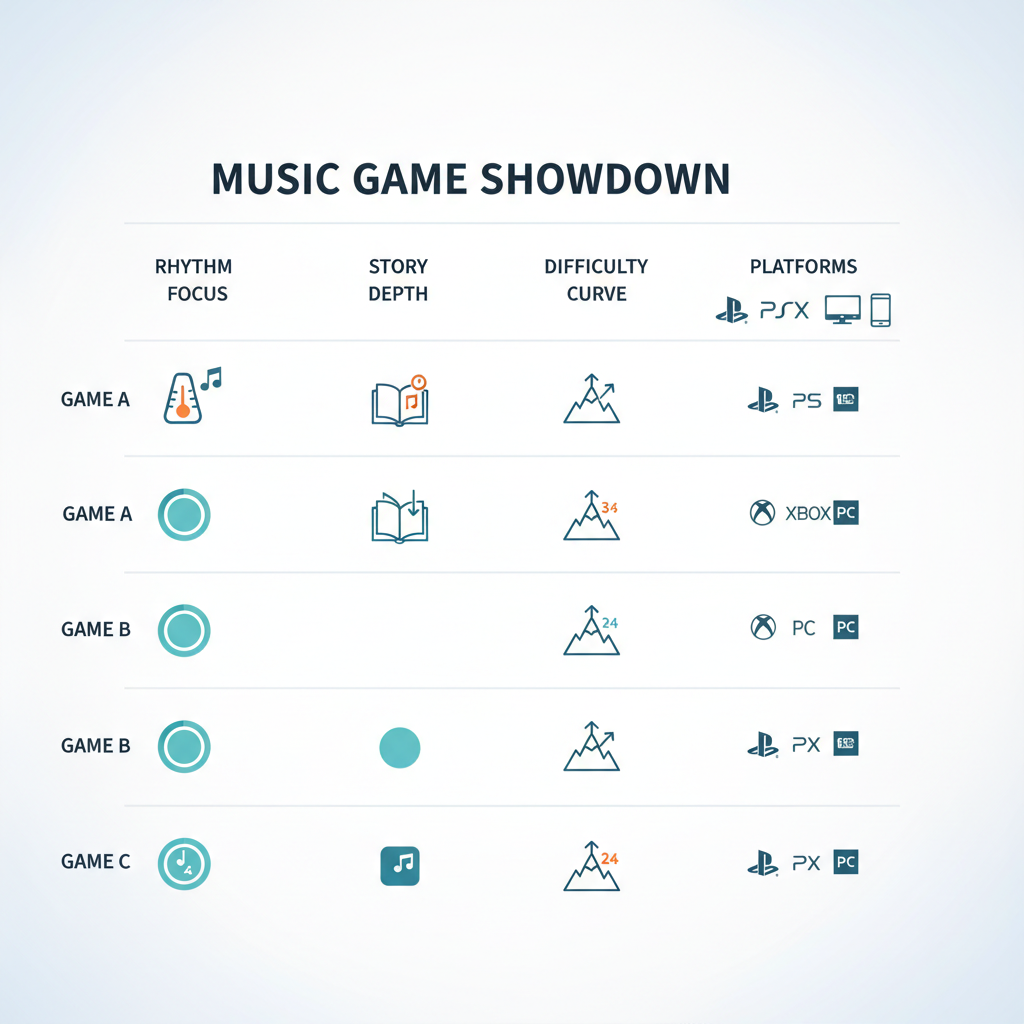
Platforms shift over time, and availability can change by region or storefront. If you are buying for a specific device, double-check current listings before you commit.
The best games that truly blend music with story and play
Hi-Fi RUSH
If you want action combat that still feels musical, this is the cleanest modern example. The world “ticks,” your dodges and combos snap into tempo, and the presentation makes fights feel like choreographed set pieces rather than random brawls.
- Why it works: you do not need perfect rhythm-game accuracy, you need groove awareness.
- Who might not love it: players who dislike combo-heavy action or flashy UI.
Crypt of the NecroDancer
This is a classic because it commits. You move on beat, enemies move on beat, and every decision is timing plus tactics. Story exists, but the real narrative is the run you survive.
- Why it works: music becomes the turn system.
- Heads-up: difficulty can spike, and missing beats can feel brutal.
Cadence of Hyrule
For players who want music-driven mechanics without giving up exploration and charm, this one often lands. It keeps the on-beat logic but wraps it in a friendlier adventure structure.
- Why it works: recognizable world, approachable rhythm pacing.
- Heads-up: it is a Nintendo ecosystem pick, which limits access.
Sayonara Wild Hearts
Not every recommendation needs 60 hours. This plays like a playable album where each track is a new set of mechanics, and the story leans into emotion, identity, and transformation through pop visuals.
- Why it works: music and meaning arrive together, you feel the arc.
- Heads-up: replay value depends on whether you chase ranks.
Rhythm Heaven (series)
It is “story-light,” but as a pure demonstration of musical design, it is hard to beat. The microgames teach timing through humor and surprise, and that can be a palate cleanser if you are tired of heavy narratives.
- Why it works: instant readability, great for short sessions.
- Heads-up: access depends on which Nintendo hardware you own.
Thumper
This is for when you want intensity, not comfort. The game builds a kind of sensory tunnel where sound cues and visuals fuse into one survival language.
- Why it works: focus becomes part of the “story” you feel.
- Heads-up: can be overstimulating for some players.
How to tell which one you will actually enjoy (fast checklist)
People often search best games with music based story and gameplay, then end up disappointed because they bought the wrong “type” of music game for their brain that week. Use this quick self-check.
- I want story and character arcs → start with Hi-Fi RUSH or Sayonara Wild Hearts.
- I want deep gameplay systems → try Crypt of the NecroDancer or Thumper.
- I get frustrated by strict timing → look for difficulty modifiers, or lean toward Hi-Fi RUSH since it rewards rhythm without requiring perfection.
- I play in short bursts → Rhythm Heaven fits naturally.
- I want exploration plus music → Cadence of Hyrule is the obvious match.
According to Entertainment Software Rating Board (ESRB)... content ratings can help you avoid surprises, especially if you are buying for a younger player or streaming to a broad audience. Check the listing for themes and language even if the art style looks cute.
Practical tips: get more out of music-driven games
The “secret” is not better reflexes, it is better setup. A few tweaks can turn a frustrating rhythm experience into a satisfying one.
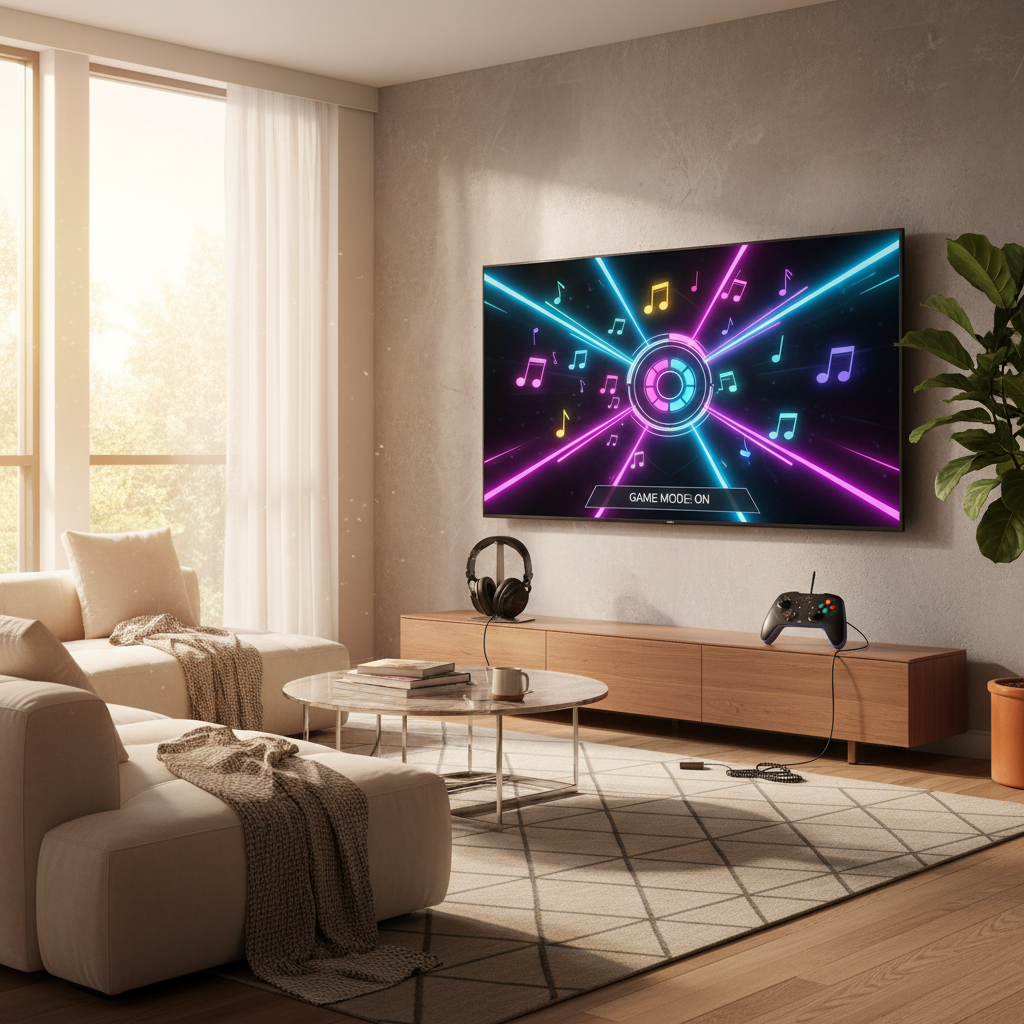
- Fix audio latency: if you play on a TV, enable game mode and consider wired audio. Latency can make you feel off-beat even when your timing is fine.
- Use visual cues on purpose: many games provide beat markers or enemy tells. Treat them as training wheels, not as cheating.
- Start one difficulty lower than your ego wants: rhythm fatigue is real, and frustration makes you rush.
- Play with consistent volume: too quiet, you miss timing; too loud, it becomes tiring. Find the middle.
If you are sensitive to flashing lights or motion, it may help to adjust visual intensity settings when available, and if you have health concerns, it is usually smart to consult a professional for personalized guidance.
Common mistakes when shopping music-based games
A lot of buyers get burned because store pages blur genres. A “music game” can mean anything from a narrative about a band to a hardcore timing test.
- Confusing soundtrack quality with music-based gameplay: a great OST does not automatically mean music affects mechanics.
- Buying for nostalgia, not for your current patience: some titles reward repetition, which is fun only if you want that loop right now.
- Ignoring control scheme fit: handheld, controller, keyboard, and touch all feel different for timing.
- Overvaluing difficulty as a badge: if the beat makes you tense, you will not notice the story anyway.
Key takeaways and how to choose today
If you want a safe first pick, choose the title that matches your tolerance for strict timing. When people ask for the best games with music based story and gameplay, what they usually mean is “music that changes how I play,” not just music that sounds good.
- Want narrative plus rhythm feel: Hi-Fi RUSH, Sayonara Wild Hearts.
- Want pure mechanics: Crypt of the NecroDancer, Thumper.
- Want adventure flavor: Cadence of Hyrule.
- Want quick sessions: Rhythm Heaven.
Pick one game, adjust your audio setup, and give it two sessions before you judge it. Music-based design tends to “click” after your brain stops fighting the tempo.
FAQ
What are the best games with music based story and gameplay if I am not good at rhythm games?
Look for games that reward rhythm without requiring perfect inputs. Hi-Fi RUSH is often friendlier because style and timing bonuses help, but you can still succeed without landing every beat.
Are music-driven games better with headphones?
Many are, mainly because timing cues feel clearer and you avoid TV speaker delay. If headphones feel tiring, wired speakers in game mode can still work well.
Which pick is best for short play sessions?
Rhythm Heaven works well because each microgame ends quickly, so you can stop without losing your place. Sayonara Wild Hearts also breaks into track-like segments that are easy to dip into.
Is Crypt of the NecroDancer more like a rhythm game or a roguelike?
It is both, and that is the point. If you enjoy planning routes and managing risk but also like beat-based input, it can feel brilliant. If you dislike repeating runs, it may feel grindy.
Do I need to understand music theory to enjoy these games?
No. These games usually teach timing through pattern recognition and feedback. You might notice more details if you play an instrument, but it is not a requirement.
What should I check before buying a music-based game on console?
Check platform availability, controller support, and accessibility options like timing assist or visual beat indicators. Also confirm ratings and content notes through the storefront or ESRB listing.
If you are trying to build a small “music game starter shelf” without wasting money on the wrong vibe, make a shortlist from the table, then pick one narrative-leaning title and one mechanics-leaning title so you can swap when your mood changes.